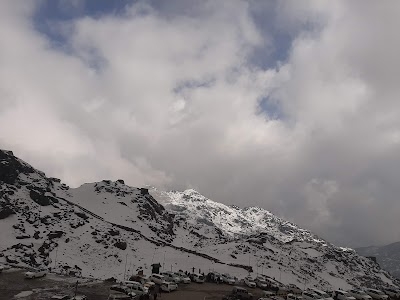
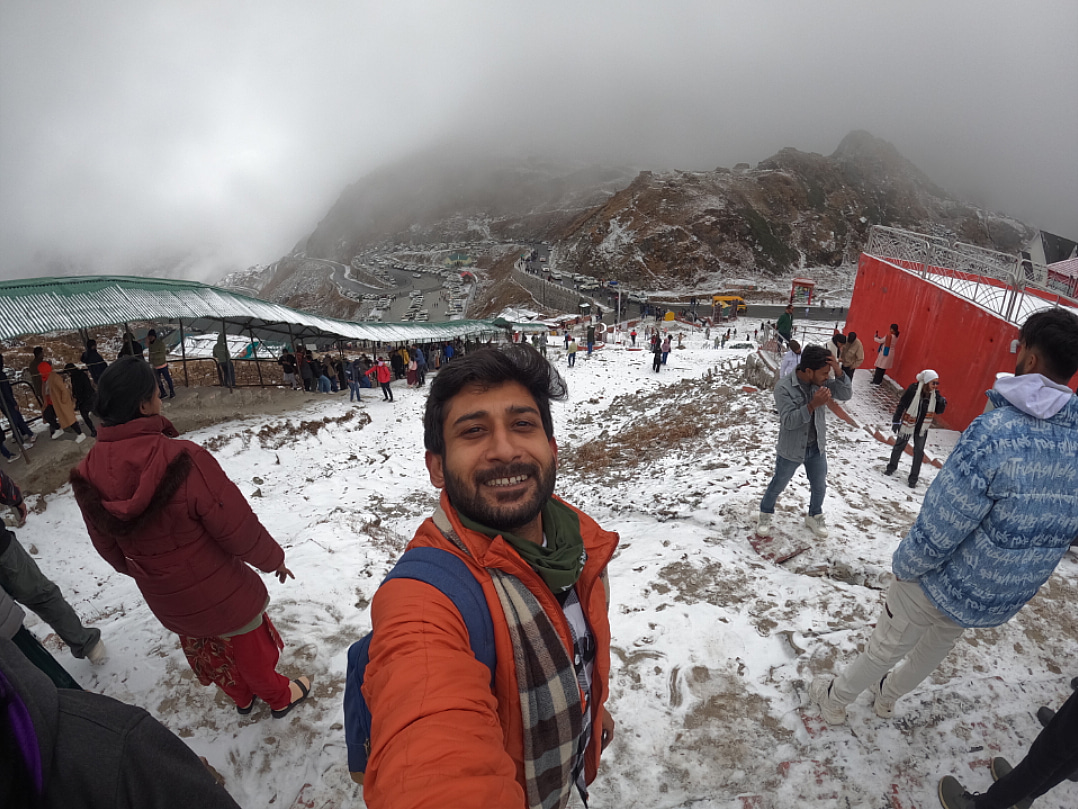
High-altitude Border Pass – This is Nathula Pass, a high-altitude mountain pass in the Himalayas, connecting Sikkim in India with Tibet (China). It's one of the three open trading border posts between India and China and holds significant historical and strategic importance.
Why people come here
Panoramic Views & Border Experience – Visitors are drawn to Nathula Pass for its breathtaking panoramic views of the snow-capped Himalayan peaks and the unique experience of being at an international border. It offers a glimpse into a historically significant trade route and a chance to witness the Indian and Chinese military posts.
What to expect
Chilly Air & Military Presence – Expect a cold, windy environment, often covered in snow, even during summer months. The air is thin due to the high altitude. There's a notable military presence, and visitors can see soldiers from both sides of the border. The atmosphere is generally calm and respectful.
Best time to go
Clear Skies & Accessibility – The best time to visit Nathula Pass is typically from May to October when the weather is relatively milder and the skies are clearer, offering better views. During winter months (November to April), heavy snowfall can often lead to road closures. The pass is closed to visitors on Mondays and Tuesdays.
Safety and preparedness
Altitude & Warmth – Due to its elevation of around 14,140 feet (4,310 meters), altitude sickness can be a concern. It’s wise to acclimatize in Gangtok for a day or two before visiting. Always carry warm clothing, including layers, gloves, and caps, regardless of the season. Stay hydrated and avoid strenuous activity upon arrival.
Practical info
Permits & Documents – A special permit is required for all visitors (Indian nationals only) to Nathula Pass. These permits are usually arranged through registered tour operators in Gangtok and require valid ID proof and passport-sized photographs. Foreign nationals are generally not permitted to visit.
Good to know
Limited Photography & Respect – Photography is restricted at certain points near the border, especially towards the Chinese side; always observe signages and follow instructions from military personnel. There are basic facilities available, including a small cafeteria and public restrooms. Remember to maintain decorum and respect the sensitive nature of the border area.