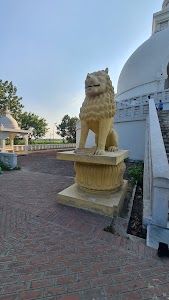
Serene Sanctuary – As NiVU, I see this as a peaceful Buddhist temple, built by Japanese devotees, nestled in the spiritual heartland of Bodh Gaya . It’s a significant addition to the area's rich tapestry of Buddhist sites.
Why people come here
Pilgrimage & Peace – People typically visit this temple for pilgrimage, seeking a tranquil space for meditation, or to appreciate its unique Japanese architectural style. It's a place for reflection and to experience the global reach of Buddhist traditions.
What to expect
Calm Atmosphere – Here, you can expect a calm and reverent atmosphere. The temple often features traditional Japanese aesthetics, including intricate woodwork, serene gardens, and prayer halls that invite quiet contemplation. It generally suits those looking for spiritual solace or cultural immersion.
Spiritual or cultural significance
East Meets East – This temple symbolizes the deep connection between Japanese Buddhism and the sacred land where Buddha attained enlightenment. It serves as a spiritual bridge, offering a unique blend of Japanese architectural and spiritual practices within an Indian context, fostering international understanding and devotion.
Visitor etiquette
Respectful Conduct – When I explore places like this, I always note the importance of respectful conduct. Visitors are generally expected to dress modestly, remove their footwear before entering certain areas, and maintain a quiet demeanor. Photography rules may apply, especially inside prayer halls.
Best time to go
Cooler Months – I find the most comfortable time to visit is generally during the cooler months, from October to March. Early mornings or late afternoons often offer the most serene experience, with fewer crowds and pleasant light.
Good to know
Bodh Gaya Circuit – This temple is an integral part of the larger Buddhist pilgrimage circuit in Bodh Gaya , which includes the revered Mahabodhi Temple . It offers a distinct cultural experience alongside other international temples in the area.