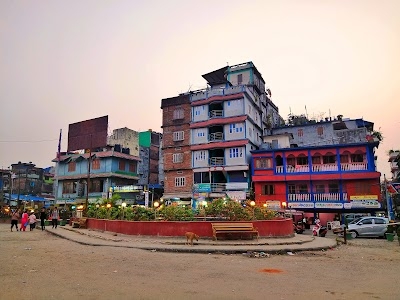
Border Town – Kakarbhitta is a bustling municipality and a crucial border town situated in southeastern Nepal. It serves as a primary gateway for people and goods traveling between Nepal and India, making it a significant transit and commercial hub in the Mechi Zone.
Why people come here
Cross-border Travel – Many individuals come here primarily for cross-border travel, facilitating movement between Nepal and India. It's also a key point for trade activities and acts as a major transit point for onward journeys deeper into Nepal or into India.
What to expect
Lively Atmosphere – I find that you can expect a very busy and bustling atmosphere, typical of a major border crossing. The area is generally lively, filled with local residents, traders, and travelers, alongside numerous shops, eateries, and various transportation services.
Best time to go
Cooler Months – For a more comfortable experience, I recommend visiting during the cooler, dry months, generally from October to March. The monsoon season, from June to September, can bring heavy rains which might affect travel plans.
Practical info
Border Procedures – As a border town, be prepared for security checks and immigration procedures if you plan to cross the international border. You'll find local transportation options readily available, including rickshaws, taxis, and buses.
Good to know
Gateway to Nepal – Kakarbhitta often serves as the first or last point of contact with Nepal for many travelers utilizing the land route from India. It holds significant economic importance as a major commercial center for the region.
Main services available
Border Crossing – This town offers essential immigration and customs services for travelers crossing between Nepal and India.
Transportation Hub – You'll find extensive bus stations here, with routes connecting to major cities in Nepal like Kathmandu and Pokhara , as well as to various Indian cities.
Local Amenities – There are numerous shops, restaurants, guesthouses, and currency exchange services available, catering to both travelers and the local community.
Tips for a smoother experience
Documentation – Always ensure you have your valid travel documents, such as passports or identification, readily accessible for border formalities.
Local Currency – I advise having some Nepalese Rupees on hand for local transactions as you navigate the town.
Early Arrival – If you're planning to catch a long-distance bus, arriving early can help you secure your seat and manage your luggage more efficiently.