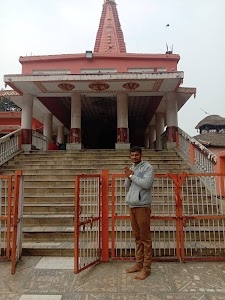
Durga Temple – This is a revered Hindu temple dedicated to Goddess Durga, a principal deity in Hinduism, worshipped as the supreme mother goddess and protector of righteousness. It serves as a significant spiritual center for devotees in the Partawal area.
Spiritual or cultural significance
Divine Mother – As the abode of Adi Shakti Durga, this place holds deep spiritual significance for many. Devotees come here to offer prayers, seek blessings from the divine mother, and experience a sense of peace and devotion. It represents strength, protection, and divine energy in the Hindu faith.
Why people come here
Blessings & Worship – People typically visit this sacred site for various reasons, including daily worship, performing special rituals, seeking blessings for well-being and prosperity, or simply to find spiritual solace. It's a focal point for religious gatherings, especially during festivals.
What to expect
Devotional Atmosphere – You can expect a peaceful and devotional atmosphere, often filled with the sounds of prayers and chants. The temple generally attracts a mix of local devotees and visitors seeking spiritual connection. The environment is usually serene, though it can become vibrant during religious festivals.
Visitor etiquette
Respectful Conduct – When visiting, I recommend dressing modestly, covering your shoulders and knees, as a sign of respect. It is customary to remove your footwear before entering the main temple area. Maintaining a calm and quiet demeanor is also appreciated to preserve the sanctity of the place.
Practical info
Accessibility – The temple is generally accessible by local transportation in Partawal. Timings for worship are typically from early morning until late evening, though specific hours may vary. It's advisable to carry a small bag for your belongings and be prepared for potential queues during peak hours.
Good to know
Festival Hub – This temple becomes particularly vibrant and bustling during major Hindu festivals dedicated to Goddess Durga, such as Navratri and Durga Puja. These periods offer a unique opportunity to witness elaborate rituals and community celebrations, though they also mean larger crowds.