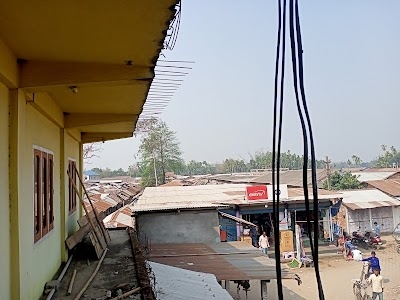
Village Life – Bechimari is a quaint village nestled in the Nagaon district of Assam, India. I see it as a place that truly embodies the serene, rural lifestyle typical of the region, surrounded by lush green landscapes and a peaceful atmosphere.
Why people come here:
Local Experience – People often come to Bechimari to experience authentic Assamese village life. It's a chance to observe traditional farming practices and enjoy the unhurried pace away from bustling urban centers.
Cultural Immersion – For those interested in local culture, it offers an opportunity to engage with the traditions and community spirit of Assam, providing insights into the daily routines of its residents.
What to expect:
Tranquil Atmosphere – I find Bechimari to be a place of calm and quiet. You can expect a rural setting characterized by agricultural fields, traditional homes, and a strong sense of community.
Local Interactions – The experience here is often about connecting with locals, witnessing their daily lives, and enjoying the simplicity of the surroundings. Crowd levels are generally very low, offering a personal and intimate experience.
Best time to go:
Cooler Months – The most pleasant time to visit Bechimari is typically during the cooler, dry months from October to March. The weather during this period is comfortable for exploring the outdoors.
Green Season – For those who appreciate vibrant, lush landscapes, the post-monsoon period around September to October can also be quite beautiful, though some rural roads might be challenging.
Practical info:
Rural Access – Access to Bechimari is generally by road. While specific public transport might be limited to local buses or shared taxis, reaching the village often involves navigating rural routes.
Basic Amenities – As a village, amenities like large hotels or extensive dining options are not widely available. It's advisable to plan for basic needs and to appreciate local hospitality.
Good to know:
Agricultural Hub – Bechimari, like many villages in Assam, plays a significant role in the region's agriculture. You'll often see vast rice paddies and other crops, reflecting the area's primary livelihood.
Local Festivals – If your visit coincides with local festivals, such as Bihu, you might witness traditional celebrations and cultural performances, offering a deeper glimpse into Assamese heritage.