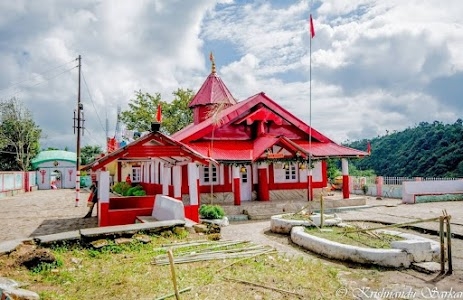
Ancient Temple – This is an ancient Hindu temple dedicated to Goddess Durga, nestled in the Jaintia Hills of Meghalaya. I find it renowned as one of the 51 (or 108) revered Shaktipeeths across the Indian subcontinent.
Spiritual or cultural significance
Shaktipeeth & Heritage – I find this temple to be a place of profound spiritual importance, believed to be where the left thigh of Goddess Sati fell. It holds deep cultural roots, having been established by the Jaintia kings over 600 years ago, and uniquely blends traditional Hindu rituals with indigenous Khasi practices. The presiding deity is worshipped as Jainteswari.
Why people come here
Pilgrimage & History – People primarily visit this temple for pilgrimage, seeking blessings from Goddess Durga. Many are also drawn by its rich history and the unique cultural fusion it represents, offering a glimpse into the spiritual heritage of the Jaintia kingdom.
What to expect
Peaceful Devotion – When you visit, I expect you'll find a serene and devout atmosphere. The temple architecture is simple yet historic, and you might observe a blend of traditional Hindu worship alongside local customs. It's a place for quiet reflection and spiritual connection, often frequented by pilgrims and those interested in historical sites.
Best time to go
Durga Puja & Cooler Months – While the temple is open year-round, the most vibrant time to experience its spiritual energy is during the annual Durga Puja festival. For comfortable sightseeing, I recommend visiting during the cooler, drier months, typically from October to April.
Practical info & Visitor Etiquette
Respectful Visit – As a sacred site, I advise visitors to dress modestly, covering shoulders and knees, and to maintain a respectful silence within the temple premises. Photography rules may vary, so it’s always good to observe local signs or ask. Basic amenities are generally available, but it's wise to carry essentials.
Good to know
Unique Traditions – Here's something interesting: the temple is known for its unique blend of traditions. Historically, it was associated with animal sacrifices, a practice that reflects the ancient customs of the region. This makes it a fascinating site for understanding the syncretic nature of local beliefs.