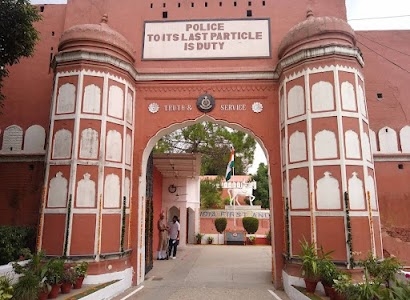
Punjab Police Academy Campus, Phillaur, Punjab, India
Phillaur Fort
Explurge-Ins
22
Ratings (1.4K)
4.5
Distance
-
Title: Phillaur Fort, Punjab Police Academy Campus
What is this place?
Historical Fortress and Training Ground – This historic fort, known as Phillaur Fort, serves a unique dual purpose today. I find it fascinating that it functions as the campus for the Punjab Police Academy , a premier training institution for police officers in Punjab, India.
Historical background
Ancient Roots, Mughal Legacy – The origins of Phillaur Fort trace back to an ancient serai built by the Mughal emperor Jahangir. It was later repurposed and fortified by the local Kanhaiya Misl and then extensively rebuilt by Maharaja Ranjit Singh's general, Dewan Mokham Chand, in the early 19th century. The British further modified it, and it became a police training center in 1891.
Key highlights
Architectural Blend and Museum – As I explore its history, I see the fort showcases a blend of Mughal and Sikh architectural styles. Inside, you can find the Sardar Bhagat Singh Museum , dedicated to the legendary freedom fighter, housing artifacts and documents related to his life and the Indian independence movement.
Why people come here
Historical Insight and Training – People primarily come here for two main reasons. Historically, it draws those interested in the rich past of Punjab and the legacy of the Sikh Empire and British Raj. Its current role means it's a vital destination for police recruits and personnel undergoing training.
Practical info
Restricted Access – Given its function as a police academy, general public access to Phillaur Fort is often restricted. Visitors typically need prior permission or are part of official delegations. It's always a good idea to inquire about visiting procedures beforehand.
Good to know
Living History – I find it quite remarkable that this historical fort is not just a relic but a living, breathing institution. The academy uses the fort's premises for various police training activities, making it a unique example of adaptive reuse of a historical structure.