
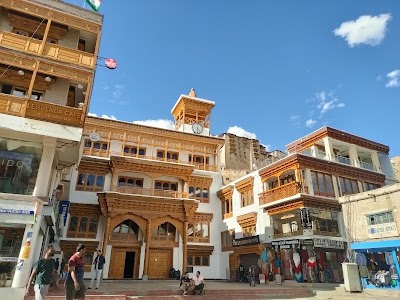



Jamia Masjid Leh
What is this place?
Central Mosque – I see Jamia Masjid Leh as the largest and most significant mosque in Leh , serving as a central place of worship and community gathering for the Muslim population in the region. It's a prominent landmark in the heart of the city.Why people come here
Worship and Community – People primarily visit Jamia Masjid Leh for daily prayers, Friday congregational prayers, and to participate in religious festivals. It also serves as a cultural and social hub, fostering community connections. Its historical significance also draws visitors interested in local heritage.Spiritual or cultural significance
Historical Landmark – This mosque holds deep spiritual value for the local Muslim community. Historically, its construction is linked to the Mughal emperor Aurangzeb and the then-King of Ladakh, Deldan Namgyal, symbolizing a period of cultural exchange and religious harmony in the region.Visitor etiquette
Respectful Conduct – When visiting, I recommend dressing modestly, ensuring your shoulders and knees are covered. It's customary to remove your shoes before entering the prayer hall. While photography is generally permitted from the outside, it's best to be discreet and respectful, especially inside or during prayer times. Maintaining a quiet and reverent demeanor is appreciated.Practical info
Open Daily – The mosque is open daily, primarily for prayers. Visitors are generally welcome outside of prayer times. There are no specific entry fees. I suggest allowing about 30 minutes to an hour for your visit to appreciate the architecture and atmosphere.Good to know
Architectural Blend – I find the architecture of Jamia Masjid Leh quite interesting, as it showcases a blend of Islamic and Tibetan architectural styles, reflecting the diverse cultural influences of Ladakh. It's a peaceful spot amidst the bustling Leh Main Market .