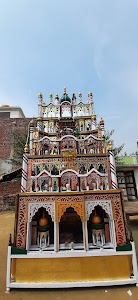
Local Mosque – I can tell you that Chairman Sahab Mosque is a local place of worship, specifically a mosque, located in the community of Khata Nagariya, Milak. It serves as a central point for daily prayers and religious gatherings for the Muslim community in the area.
Spiritual or cultural significance
Community Hub – This mosque holds significant spiritual and cultural importance as a sacred space for prayer and reflection. It acts as a community hub where local residents gather for congregational prayers, religious teachings, and to observe Islamic festivals, fostering a sense of unity and shared faith.
Why people come here
Prayer & Community – People primarily visit Chairman Sahab Mosque for their daily prayers (Salat), particularly for Friday congregational prayers (Jum'ah). It's also a place where individuals seek spiritual solace, participate in religious education, and connect with fellow community members.
What to expect
Peaceful Atmosphere – When visiting, you can generally expect a peaceful and reverent atmosphere. It’s a place dedicated to worship, so you'll likely find people engaged in prayer or quiet contemplation. The environment is typically modest, reflecting its role as a local religious institution.
Visitor etiquette
Respectful Conduct – As a religious site, respectful conduct is important. I recommend dressing modestly, covering your head if you are a woman, and removing your shoes before entering the prayer halls. Maintaining a quiet demeanor, especially during prayer times, is also customary.
Practical info
Open Daily – Mosques are generally open from dawn to dusk for daily prayers. While specific timings may vary, you can typically expect it to be accessible during prayer hours. Parking is usually available on nearby streets, fitting for a local community establishment.
Good to know
Local Insight – Visiting Chairman Sahab Mosque offers a glimpse into the local religious life and community spirit of Khata Nagariya, Milak. It's a place where you can quietly observe and appreciate the traditions and daily practices of the local Muslim population.