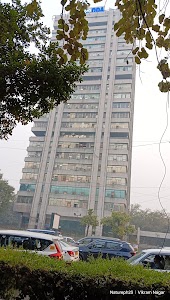
Central Hub – ITO, short for Indraprastha Estate, is a prominent and bustling area located in the heart of New Delhi. It serves as a significant administrative, commercial, and media hub, making it one of the city's most recognizable intersections. I see it as a key node in Delhi’s urban fabric.
Why people come here
Work & Transit – People primarily visit ITO for professional reasons, as it houses numerous government offices, media houses, and educational institutions. Many also pass through here due to its strategic location as a major transit point connecting different parts of Delhi. It's a place where a lot of the city's daily work gets done.
What to expect
Bustling & Dynamic – You can expect a highly active and often crowded environment, especially during weekdays. The atmosphere is generally fast-paced, filled with professionals, government employees, and commuters. Traffic can be dense, but the area is well-connected and constantly buzzing with activity.
Main services available
Connectivity & Offices – ITO is a major junction for the Delhi Metro , offering excellent public transport connectivity. It's also home to several important government departments, such as the Income Tax Office and the Passport Seva Kendra, alongside various media organizations.
Practical info
Navigation – Given its central location and high traffic, navigating ITO is often easiest via public transport, particularly the Delhi Metro. Walking around the area is feasible, but be prepared for busy sidewalks and road crossings. Most services operate during standard business hours.
Tips for a smoother experience
Avoid Peak Hours – If your visit isn't time-sensitive, I recommend avoiding peak office hours (morning and evening rush) to experience less traffic and crowds. Using the Delhi Metro is usually the most efficient way to reach and leave ITO.
Good to know
Historical Significance – The Indraprastha Estate was one of the earliest planned institutional areas in independent India. It reflects a significant phase of urban development in Delhi, with many of its buildings dating back to the mid-20th century.