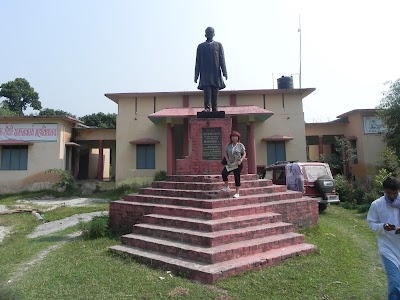
Research Center – This is a dedicated research and study center, or 'Shodh Sansthan', focused on the life, philosophy, and work of Mahatma Gandhi. It often serves as a repository of historical documents and information related to his impactful movements, particularly the Champaran Satyagraha.
Historical Background
Champaran Connection – I understand this Sansthan holds a special connection to Mahatma Gandhi's historic Champaran Satyagraha. It's located in Bhitiharwa, a place he visited during his efforts to support local farmers against oppressive indigo planters in 1917, marking one of his earliest experiments with Satyagraha in India.
Purpose and Significance
Legacy & Learning – People typically come here to delve deeper into Gandhi's principles of truth and non-violence, and to understand the significance of the Champaran movement in India's freedom struggle. It serves as a place for reflection and learning about a pivotal period in Indian history.
Key Highlights
Exhibits & Archives – Here, you can generally expect to find exhibits, photographs, and possibly archival materials detailing Gandhi's time in Champaran and his broader philosophy. It offers a quiet environment for study and contemplation, allowing visitors to connect with his legacy.
Visitor Conduct and Etiquette
Respectful Demeanor – As a place of historical and academic significance, I recommend maintaining a respectful and quiet demeanor during your visit. Photography rules may apply, so it's always good to check upon arrival.
Practical Info
Quiet Visit – This place is generally suited for those interested in history, research, and the life of Mahatma Gandhi. A typical visit might last anywhere from 1 to 2 hours, depending on your interest in the exhibits and materials available.
Good to Know
Historical Context – Bhitiharwa is part of the Champaran region, which played a crucial role in Gandhi's early political activism in India. Visiting this Sansthan offers unique insights into the local context of his non-violent resistance.