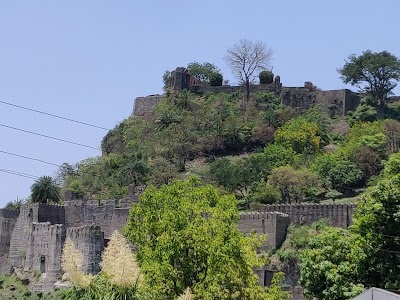
Ancient fortress – I see Kangra Fort as an ancient fortress, one of the oldest and largest in the Himalayas, steeped in centuries of history. It served as the formidable seat of the Katoch Dynasty.
Why people come here
History and views – Visitors are drawn to explore its rich history, impressive architecture, and the strategic location offering panoramic views of the surrounding valleys and rivers. It's a captivating journey back in time.
What to expect
Historical exploration – You can expect a captivating journey through ancient ruins, intricate temples, and fortified walls. The atmosphere is generally calm, offering a reflective experience, though it can get busy during peak tourist seasons. It suits history enthusiasts, photographers, and those seeking cultural immersion.
Historical background
Dynastic legacy – This fort boasts a history stretching back over 3,500 years, believed to have been founded by the Katoch Dynasty. It has witnessed numerous sieges and conquests by various rulers, including Mahmud of Ghazni, the Tughlaqs, and the Mughals, and even a devastating earthquake in 1905. Its strategic importance made it a coveted stronghold.
Key highlights
Architectural marvels – Don't miss exploring the fort's three main gates (Ahani, Amiri, and Jahangiri), the several temples within its complex like the Ambika Devi Temple, Lakshmi Narayan Temple, and the Jain Temple, and the stunning views from the highest points. The museum at the entrance also offers insights into its past.
How much time to spend
2-3 hours – I recommend allocating about 2 to 3 hours to comfortably explore the entire fort complex, including the temples and viewpoints, and to soak in the historical ambiance.
Best time to visit
Cooler months – The ideal time to visit is during the cooler, drier months from October to March. The weather is pleasant for exploring, avoiding the summer heat and monsoon rains. Weekdays are generally less crowded than weekends.
Practical info
Entry and access – The fort typically has an entry fee for both Indian and foreign visitors. The path involves some walking and climbing steps, so comfortable footwear is advisable. Parking is usually available near the entrance.