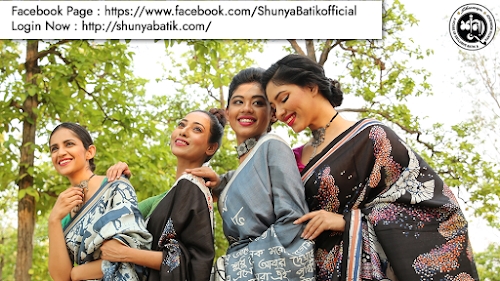
Artisan Workshop – This is Shunya Batik , an artisan workshop and store in Mecheda , West Bengal, specializing in the traditional art of batik. It's a place where you can explore handcrafted items and witness the intricate process of wax-resist dyeing.
What is this place?
Batik Workshop – Shunya Batik is primarily a workshop dedicated to the art of batik, a method of dyeing textiles using wax to create patterns. It also functions as a retail space where visitors can purchase the finished products. The aim is to preserve and promote this traditional craft.
Why people come here
Handicrafts & Art – People typically visit Shunya Batik to discover unique, handcrafted batik products, including clothing, home decor, and accessories. Many are drawn by the opportunity to see the artisans at work and understand the labor-intensive process behind each piece. It's also a destination for those interested in supporting local crafts and finding authentic Bengali textiles.
What to expect
Creative Atmosphere – I expect a calm and creative atmosphere at Shunya Batik. You'll likely find a display area showcasing a wide range of batik items, from intricate sarees and dupattas to wall hangings and scarves. There's often a section where artisans are actively engaged in the batik process, from drawing designs to applying wax and dyeing fabrics. It's generally a quiet and educational experience, suitable for all ages.
Practical info
Visiting Guidance – While specific timings can vary, artisan workshops like Shunya Batik typically operate during daylight hours, generally from morning to late afternoon. It's often a good idea to call ahead if you plan a visit, especially if you're traveling a long distance, to confirm their operating hours and ensure artisans are present for demonstrations. Accessibility is generally straightforward, being located on a national highway.
Good to know
Traditional Craft – Batik is a fascinating art form with a rich history, particularly in regions of Asia and Africa. At Shunya Batik, you'll see how designs are drawn on fabric, wax is applied to resist dye, and then the fabric is dyed, with the wax later removed to reveal the pattern. Each piece is truly unique due to the handmade nature of the process.