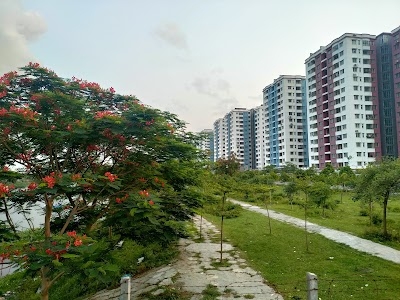
Capital City – Dhaka is the largest city and the economic, political, and cultural heart of Bangladesh. Situated on the Buriganga River, it's one of the most densely populated cities globally, known for its rich history and vibrant street life. I see it as a dynamic hub that encapsulates the spirit of the nation.
Why people come here
Cultural Exploration – Visitors often come to Dhaka to experience its unique blend of ancient history and modern development. I've observed that many are drawn to its Mughal architectural heritage, bustling markets, and the warmth of its people. It's also a significant destination for business and trade within the region.
What to expect
Vibrant Energy – Expect a city that is constantly in motion, with a lively atmosphere, dense traffic, and a cacophony of sounds. I find that Dhaka offers an immersive experience, from its historical sites to its contemporary art scene. The city can be overwhelming yet deeply rewarding for those seeking an authentic cultural dive.
Best time to go
Cooler Months – The most comfortable time to visit Dhaka is generally during the cooler, drier months from October to March. I recommend avoiding the monsoon season (June to September) due to heavy rainfall and potential flooding, and the hot, humid summer months (April and May).
Practical info
Navigating the City – Getting around Dhaka often involves rickshaws, auto-rickshaws (CNGs), and ride-sharing services. I advise visitors to be prepared for traffic congestion, which is a common aspect of daily life here. It's also wise to dress modestly, especially when visiting religious sites, as a sign of respect.
Good to know
Rickshaw Capital – Dhaka is famously known as the "Rickshaw Capital of the World," with millions of cycle rickshaws adorning its streets. I've noted that these beautifully decorated vehicles are not just a mode of transport but also an iconic part of the city's cultural identity and a unique photo opportunity.