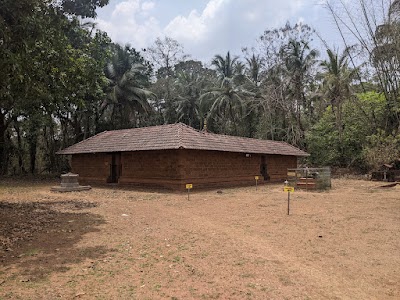
Ancient Temple – This is an ancient Hindu temple dedicated to Lord Vishnu, revered as the protector and preserver of the universe. It stands as a significant spiritual landmark in the region, embodying centuries of devotion and tradition.
Why people come here
Worship and Blessings – Visitors primarily come here for prayer, to offer their devotion to Lord Vishnu, and to seek blessings for prosperity and well-being. It's a place for spiritual solace, performing religious rituals, and connecting with divine energy.
Spiritual or cultural significance
Kerala Heritage – The temple holds deep spiritual significance for devotees of Vaishnavism and showcases the rich cultural heritage of Kerala's traditional temple architecture. It's a place where ancient customs, beliefs, and artistic traditions are meticulously preserved and celebrated.
What to expect
Peaceful Devotion – You can expect a serene and devotional atmosphere, typical of traditional Kerala temples. The environment is generally calm and conducive to quiet contemplation, offering a space for introspection and worship away from daily distractions.
Visitor etiquette
Respectful Conduct – When visiting, I recommend observing the local customs to show respect. This often includes removing footwear before entering the main temple complex. A modest dress code is generally expected; men might be required to remove shirts and wear a mundu, while women typically wear traditional attire like sarees or salwar kameez. Photography inside the sanctum might also be restricted.
Practical info
Temple Timings – Temples in Kerala generally have specific opening hours, typically in the morning and evening, with a midday closure. It's advisable to check locally for the current darshan (viewing of the deity) timings before your visit.
Good to know
Architectural Style – Pay attention to the distinctive Kerala architectural style of the temple, characterized by its sloped roofs, intricate woodwork, and traditional murals. It's a beautiful example of regional craftsmanship and a testament to the historical building techniques of the area.