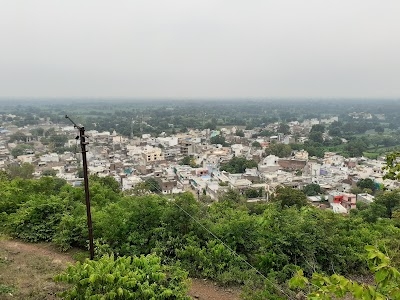
Historical Fort – This is an ancient fort located in the town of Maksudangarh, standing as a significant historical landmark. I find it to be a testament to the region's rich past, showcasing traditional architectural styles and defensive structures from a bygone era.
Historical background
Princely Legacy – Madhusudangarh Fort gets its name from Raja Madhusudan Singh, who is credited with its construction. It served as the administrative and residential seat of the princely state of Maksudangarh, with its origins tracing back to the 17th or 18th century. The fort reflects the architectural styles prevalent during that period in central India.
Key highlights
Architectural Remnants – Here, I observe the remnants of old walls, formidable gates, and watchtowers that once guarded the fort. Visitors can explore the various sections, imagining the life and activities that once filled these historic grounds. Its strategic location, often near the Parvati River, adds to its historical significance.
Why people come here
Explore History – People typically visit this fort to delve into local history and architecture. It offers a glimpse into the princely era of Madhya Pradesh, attracting those interested in heritage exploration, photography, and understanding the region's past.
What to expect
Quiet Exploration – I find Madhusudangarh Fort to offer a relatively quiet and rustic experience. Expect to see structures that are partly in ruins, allowing for a contemplative walk through history. It generally suits those who appreciate off-the-beaten-path historical sites and prefer a less crowded atmosphere.
Best time to go
Cooler Months – The most comfortable time to visit is generally during the cooler months, from October to March. During this period, the weather is more pleasant for exploring the outdoor fort structures. Mornings and late afternoons are ideal for photography and leisurely walks.
Practical info
Accessibility – The fort is accessible by road, located in Maksudangarh. While specific timings may vary, I generally find that historical sites like this are open during daylight hours. Prepare for walking on uneven surfaces, as is typical for ancient forts.