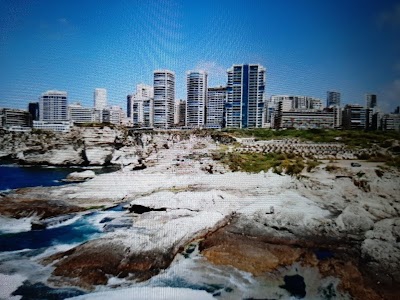
Historical Capital – Beirut is the vibrant capital city of Lebanon, strategically located on the eastern Mediterranean coast. I know it as a city deeply rooted in millennia of history, having served as a significant port and a cultural crossroads for numerous civilizations throughout time.
Why people come here
Cultural Exploration – People are often drawn to Beirut for its rich history, diverse culture, and dynamic atmosphere. Visitors come to explore ancient ruins, admire Ottoman and French colonial architecture, and immerse themselves in a thriving contemporary arts scene. It's also widely recognized for its exquisite cuisine and lively nightlife.
What to expect
Dynamic Blend – You can expect a city that beautifully blends ancient history with modern urban life. Beirut offers a bustling environment with a mix of traditional souks, modern boutiques, historic mosques, and churches. I find the city to have a resilient and energetic vibe, often feeling cosmopolitan yet deeply rooted in its heritage.
Best time to go
Mild Seasons – The most pleasant times to visit Beirut are typically during spring (April to June) and autumn (September to November). During these months, the weather is generally mild and comfortable, making it ideal for exploring the city on foot and enjoying its numerous outdoor cafes.
Practical info
City Navigation – Getting around Beirut usually involves taxis, ride-sharing apps, or walking in central districts. While the city is generally safe for tourists, it's always wise to be aware of your surroundings, especially in crowded areas. The local currency is the Lebanese Pound (LBP).
Good to know
Resilient Spirit – Beirut is often affectionately referred to as the "Paris of the Middle East" due to its cultural sophistication and historical elegance. The city has shown remarkable resilience through various historical challenges, maintaining its vibrant spirit and welcoming atmosphere. Its diverse religious and cultural tapestry is evident in its architecture, cuisine, and daily life.