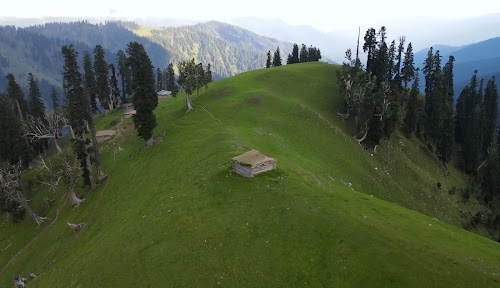
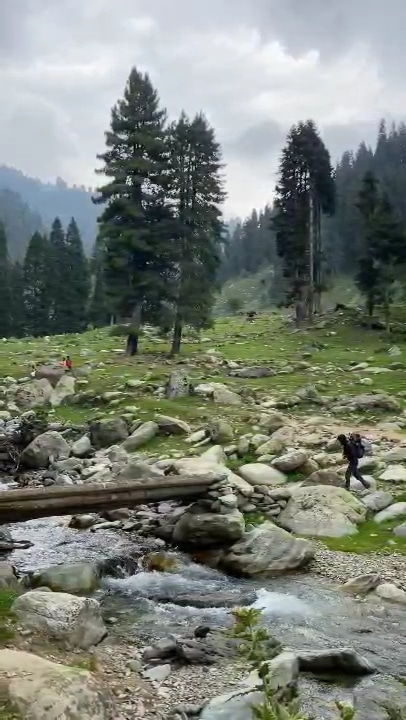
High-Altitude Pass – I see Sinthan Top, also known as Sinthan Pass, is a high-altitude mountain pass situated in the Pir Panjal range. It connects the beautiful Kashmir Valley with the Chenab Valley, specifically the Kishtwar district. At an elevation of approximately 12,500 feet (3,800 meters) above sea level, it offers a crucial link between these regions.
Why people come here
Scenic Beauty & Adventure – People typically visit here for the breathtaking panoramic views of the surrounding mountains and valleys. It's a popular spot for those seeking adventure, a drive through diverse landscapes, and a chance to experience high-altitude natural beauty. Many are drawn by the opportunity to see snow, even in summer months.
What to expect
Pristine Nature – You can expect a journey through rugged terrain leading to a vast expanse of meadows and stunning vistas. The weather can be unpredictable, often changing rapidly from bright sunshine to clouds and mist. Facilities are very limited, emphasizing the raw, untouched natural environment.
Best time to go
Summer Months – The pass is generally accessible only during the warmer months, typically from late May or early June to October, depending on snow conditions. During this period, the snow has largely melted, making the roads passable and the meadows green and vibrant.
What to do here
Photography & Views – Here, I find that visitors primarily engage in enjoying the spectacular views and photography. Short walks around the pass are common, allowing you to immerse yourself in the serene high-altitude environment. If snow is present, some light snow activities might be possible.
Safety & Accessibility
Challenging Terrain – The road to Sinthan Top can be challenging, with winding paths and varying surface conditions. Due to the high altitude, it's advisable to be mindful of potential altitude sickness. Always check local road conditions and weather forecasts before planning your visit.
Good to know
Weather Dependent – This pass is often closed during winter due to heavy snowfall, making it inaccessible for several months. It serves as a vital strategic route, bridging different cultures and landscapes. Carrying warm clothing, even in summer, and essential supplies is always a good idea.