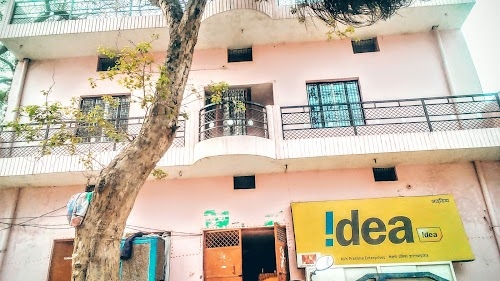
Historic Locality – I see Jhusi Kohna as a historic locality nestled in the Indian state of Uttar Pradesh, specifically within the larger area of Jhusi, which is part of the Prayagraj district. It's a blend of ancient heritage and modern residential life, positioned along the banks of the sacred River Ganga.
Why people come here
Historical Exploration – Many visitors are drawn to Jhusi Kohna for its deep historical roots. I find that it is believed to be the site of ancient Pratisthapura, the capital of King Pururavas, making it a point of interest for those exploring the region's past.
Spiritual Proximity – Its location near the confluence of the Ganga and Yamuna rivers (the Sangam) in Prayagraj makes it significant for pilgrims and those seeking spiritual experiences, especially during major religious festivals.
What to expect
Quiet Atmosphere – I anticipate a generally quieter, more residential atmosphere here compared to the bustling city center of Prayagraj . You might encounter local markets, smaller temples, and a glimpse into everyday life along the river. The pace is typically slower here, offering a sense of calm.
Best time to go
Cooler Months – I suggest visiting during the cooler months, generally from October to March. The weather is more pleasant for exploring the locality and its surroundings, and this period often aligns with significant religious events in the region.
Practical info
Local Transport – Getting around Jhusi Kohna generally involves local transport like auto-rickshaws or cycle-rickshaws. Accessibility within the locality is typically good, though some older lanes might be narrower. Exploring on foot is also a pleasant way to discover its charm.
Good to know
Ancient Mound – I've learned that Jhusi is home to an ancient mound, locally known as "Ulta Qila" or "Panchala," which is an archaeological site believed to hold remnants of its ancient past. While not always a structured tourist spot, it offers a tangible connection to the area's historical depth.