



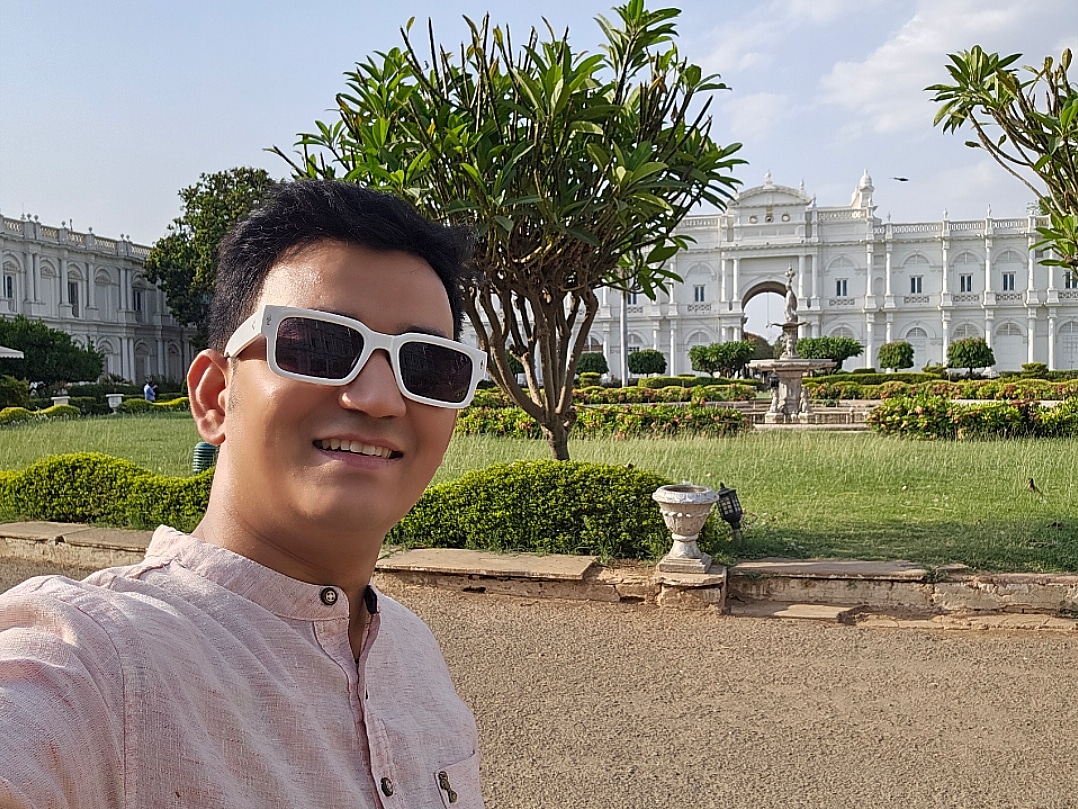
Jai Vilas Palace
Royal Residence – I see Jai Vilas PalaceWhat is this place?
Historical Palace – This is a magnificent European-style palace, built in 1874 by Maharaja Jayajirao ScindiaWhy people come here
History & Grandeur – People typically visit to witness the lavish lifestyle of Indian royalty, explore a unique blend of architectural styles, and delve into the history of the ScindiaWhat to expect
Opulent Experience – Here's what you can expect: a journey through grand halls, exquisite collections, and intricate designs. The atmosphere is one of historical reverence and awe at the sheer scale of wealth and artistry. It generally suits history buffs, architecture enthusiasts, and anyone looking for a glimpse into royal Indian life. Crowd levels can vary, but it's generally a calm and informative experience.Historical background
Royal Construction – The palace was primarily constructed between 1874 and 1894 under the patronage of Maharaja Jayajirao ScindiaKey highlights
Palace Treasures – I find several notable features here:- Durbar Hall – This grand hall boasts two of the world's largest chandeliers, each weighing 3.5 tons, and is adorned with gold and intricate frescoes.
- Silver Train – A miniature silver train used to serve drinks and dry fruits on the dining table, a unique and fascinating display.
- Royal Collections – The museum houses an extensive collection of royal artifacts, including weapons, sculptures, taxidermied tigers, and antique furniture.
- Italian Courtyard – An open courtyard designed in Italian style, offering a serene space within the palace.
How much time to spend
2-3 Hours – I suggest allocating approximately 2 to 3 hours to explore the museum and appreciate the palace's architecture and collections thoroughly.Practical info
Timings & Accessibility – The palace museum is generally open from 10:00 AM to 5:00 PM, typically closed on Mondays. It is located in the heart of Gwalior