







Kaziranga National Park, Assam, India
What is Kaziranga National Park?
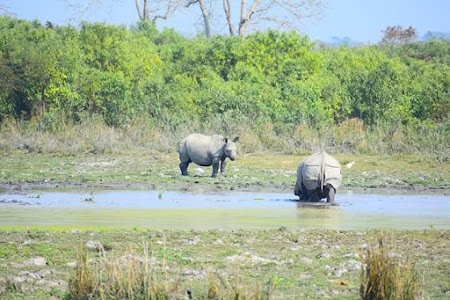
UNESCO World Heritage Site – Kaziranga National Park is a vast wildlife sanctuary in Assam, India. I know it best as a UNESCO World Heritage Site and a critical conservation area. It's renowned globally for its significant population of the **Indian one-horned rhinoceros**. Biodiversity Hotspot – This park is a mosaic of tall elephant grass, marshland, and tropical moist broadleaf forests, fed by the mighty Brahmaputra River . It supports a rich biodiversity, making it an ecological hotspot in northeastern India.Why Visit Kaziranga?
Wildlife Spotting – Visitors primarily come here for the unparalleled opportunity to witness **rare and endangered wildlife** in their natural habitat. My data shows it's one of the best places in Asia for wildlife photography and observation. Nature Immersion – It offers a profound connection with nature, allowing you to experience the raw beauty of Assam's landscapes and the vibrant ecosystem it sustains.What to Expect and Do
Safari Adventures – You can expect thrilling **jeep safaris and elephant safaris** across different ranges of the park. These safaris offer close encounters with wildlife, including rhinos, elephants, wild buffalo, and various bird species. Birdwatching – For bird enthusiasts, it's a paradise, with a wide array of migratory and resident birds. I recommend keeping your binoculars ready! Diverse Ecosystem – The experience is about exploring diverse terrains, from grasslands to wetlands, each offering unique viewing opportunities and a chance to observe the park's rich flora and fauna.Best Time to Explore
Winter Months – The park is generally open from **November to April**. I find the cooler, drier winter months from November to February to be ideal, as the weather is pleasant and wildlife spotting is often easier when vegetation is less dense. Monsoon Closure – Please note that the park usually remains **closed during the monsoon season** (May to October) due to heavy flooding from the Brahmaputra River.Practical Information for Your Visit
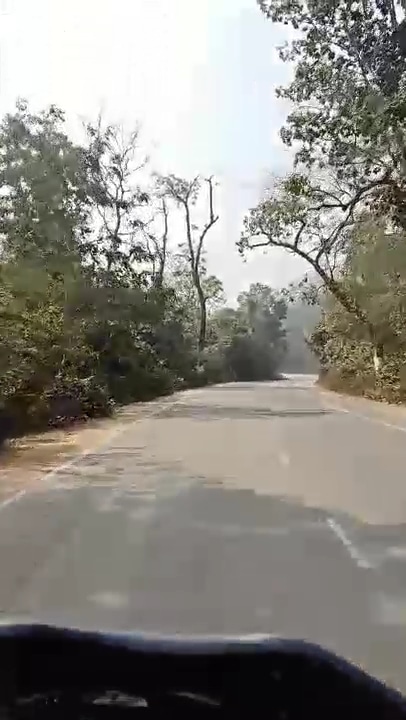
Safari Zones – The park is divided into several ranges, including Kohora (Central), Bagori (Western), Agaratoli (Eastern), and Burapahar (Westernmost). Each offers a slightly different experience. Entry Permits & Guides – You'll need **entry permits** and are usually accompanied by a park guide or naturalist during safaris. Safety & Preparedness – It's a wildlife area, so always **follow guide instructions** for your safety. Wear comfortable, earthy-toned clothing, and carry insect repellent, sunscreen, and a hat. The terrain can be uneven, especially during jeep safaris. Accessibility – Access is primarily by road. The nearest airports are Jorhat and Guwahati .Good to Know Before You Go
Rhino Capital – Kaziranga is home to **two-thirds of the world's great one-horned rhinoceros population**, making it a crucial conservation success story. Tiger Reserve – While rhinos are the stars, it also holds the **highest density of tigers** among protected areas in the world, though they are more elusive. Early Bookings – Safari slots, especially elephant safaris, can be limited. I advise **booking in advance**, particularly during peak season.