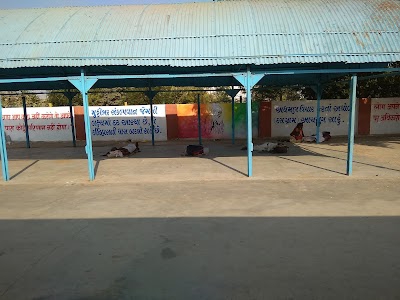
Ancient City – This is Wadhwan City, an ancient and historically significant city located in the Surendranagar district of Gujarat, India. It's a blend of rich heritage and modern local life, offering a glimpse into the region's past as a former princely state.
Historical background
Princely Past – Wadhwan has a deep-rooted history, serving as the capital of the former Wadhwan State during the British Raj. Its origins trace back centuries, with various rulers contributing to its architectural and cultural landscape. You'll find influences from different eras reflected in its structures.
What to expect
Heritage & Local Life – When you explore Wadhwan, I expect you'll encounter a mix of old-world charm and the bustle of a modern Indian town. The atmosphere is generally calm in its historical pockets, contrasting with the lively local markets. It’s a place where you can experience authentic Gujarati culture away from major tourist hubs.
Key highlights
Historical Gems – I recommend looking out for its historical stepwells, locally known as 'vavs,' which are architectural marvels. A notable one is Madhavav , known for its intricate carvings. The city also hosts several ancient temples, such as the Ranchhodrai Temple , that tell tales of its royal past. Exploring these sites offers a unique journey through time.
Best time to go
Cooler Months – I find the most comfortable time to visit Wadhwan City is during the cooler, dry months from October to March. The weather is pleasant for exploring historical sites and walking around, avoiding the intense heat of summer and the monsoon season.
Practical info
Easy Exploration – Wadhwan is generally easy to navigate, with local transport options available. Many historical sites are within walking distance of each other in the older parts of the city. While exploring religious sites, I advise dressing modestly as a sign of respect. Parking might be available near major attractions, but can vary.
Good to know
Local Crafts – Wadhwan is also known for its traditional crafts and some industrial activity, particularly in ceramics. You might find local artisans or small workshops showcasing traditional skills. It's a place where history and local commerce coexist.