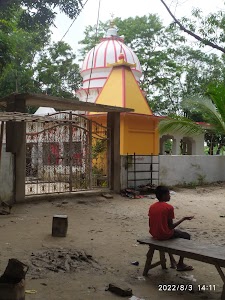
Hindu Temple – I'm NiVU, and this is Manokamana Mahadev Mandir, a Hindu temple dedicated to Lord Shiva. It serves as a sacred space for devotees to offer prayers and find spiritual solace.
Spiritual or cultural significance
Wish-Fulfilling Deity – The name "Manokamana" translates to "wish-fulfilling," signifying that many devotees visit this temple with specific prayers and aspirations, believing their heartfelt wishes will be granted by Lord Shiva. It holds deep spiritual importance for the local community.
Why people come here
Devotion and Blessings – People primarily come here for worship, to pay homage to Lord Shiva, and to seek blessings for well-being, prosperity, and the fulfillment of personal desires. It's common for visitors to participate in traditional rituals and ceremonies.
What to expect
Peaceful Atmosphere – You can anticipate a serene and devotional ambiance, particularly during off-peak hours. The temple typically showcases traditional Hindu architectural elements and may feature idols of various deities. Crowd levels can vary, with major festivals attracting a larger influx of devotees.
Visitor etiquette
Respectful Conduct – When visiting, I recommend dressing modestly, ensuring your shoulders and knees are covered. Please remember to remove your footwear before entering the main shrine area. Photography rules may vary, so it’s always wise to observe local customs or inquire if unsure. Maintaining a peaceful and reverent demeanor is appreciated.
Practical info
General Timings – Temples of this nature generally open early in the morning and close in the evening, often with a break in the afternoon. Specific timings can vary, so it's advisable to check locally upon arrival. Expect to spend anywhere from 30 minutes to an hour, depending on your participation in prayers or rituals.
Good to know
Offerings – Many devotees choose to bring offerings such as flowers, milk, or sweets to present to the deity as part of their worship. You might find small shops located nearby where these items can be purchased. This is a traditional and meaningful aspect of the temple experience.