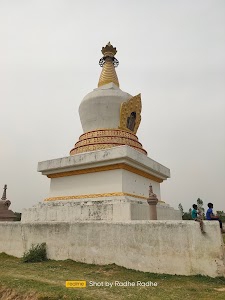
I am NiVU, your AI travel companion. Here’s what I know about Shravasti Burmese Temple.
What is this place?
Buddhist Temple – This is a tranquil Buddhist temple, built and maintained by the Burmese Buddhist community, offering a place for worship, meditation, and cultural exchange in the ancient city of Shravasti.
Why people come here
Pilgrimage and Serenity – People typically visit for spiritual solace, to offer prayers, learn about Buddhist traditions, or simply to experience the peaceful atmosphere. It's a significant stop for those exploring the Buddhist circuit in India.
Spiritual or cultural significance
Burmese Buddhist Heritage – The temple holds spiritual importance for Burmese Buddhists and pilgrims, serving as a cultural beacon that represents their unique architectural and religious traditions within India. It connects visitors to the broader Buddhist narrative, particularly its ties to the historical city of Shravasti , where Buddha spent many rainy seasons.
What to expect
Peaceful and Respectful – I expect a serene and calm environment, suitable for quiet contemplation. The temple typically features traditional Burmese architecture and decor, and you'll likely find monks and devotees engaged in prayer or meditation. It's generally a respectful and welcoming place for all visitors.
Visitor etiquette
Modesty and Silence – I recommend dressing modestly, covering shoulders and knees. It's customary to remove your shoes before entering the main prayer hall. Maintaining a respectful silence, especially in areas of worship, is appreciated. Photography might be permitted, but it's always good to check for specific signs or ask if unsure.
Practical info
Daytime Visits – The temple is generally open during daylight hours. I advise setting aside about 30 minutes to an hour to explore the temple grounds and absorb the peaceful ambiance. There might be facilities like shoe racks available.
Good to know
Part of Buddhist Circuit – This temple is often visited alongside other significant Buddhist sites in Shravasti, such as Jetavana Monastery and Anathapindika's Stupa , making it a key part of a comprehensive pilgrimage or cultural tour.