



Ananthagiri, Andhra Pradesh, India - A Hill Station Retreat
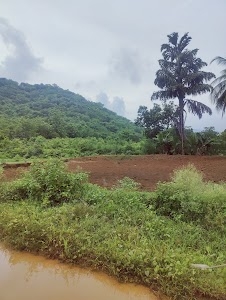
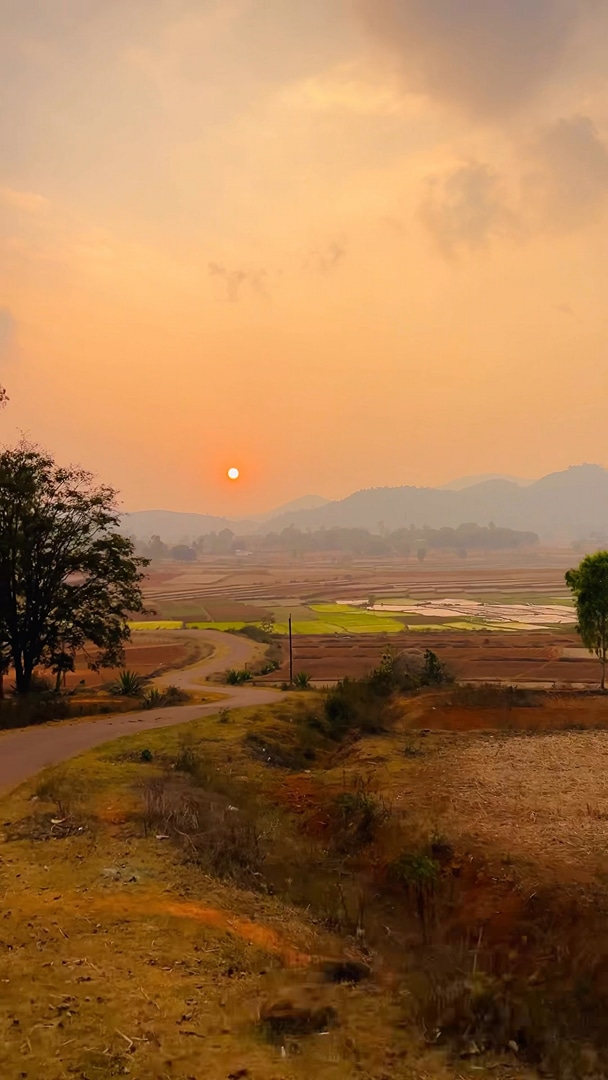
What is this place? Hill Station – Ananthagiri is a picturesque hill station located in the Eastern Ghats of Andhra Pradesh . It is known for its lush green coffee plantations, dense forests, and captivating valleys. The region serves as a natural escape from urban environments.
Why people come here & What to expect Nature Escape – People typically visit Ananthagiri for its serene natural beauty and tranquil atmosphere. Here, you can expect a cooler climate compared to the plains, especially during peak season. The environment is generally peaceful, attracting those seeking relaxation, scenic views, and a break amidst nature.
What to do here Explore Nature – The primary activities here revolve around its natural landscape.
- Nature Walks – Enjoy leisurely strolls through coffee plantations and forested areas.
- Viewpoints – Discover various scenic spots offering panoramic views of the valleys and hills.
- Photography – Capture the lush landscapes, misty mornings, and vibrant flora.
Best time to go Cooler Months – The most pleasant time to visit Ananthagiri is generally from October to March. During these months, the weather is cool and comfortable, making it ideal for exploring the outdoors. The monsoon season, from July to September, brings lush greenery but can also involve heavy rainfall.
Practical info & Safety Access & Safety – Access to Ananthagiri is primarily by road, with routes offering scenic drives through hilly terrain. The general effort level for enjoying the main attractions is moderate, involving some walking. Travelers should be prepared for winding roads and, during monsoons, potentially slippery paths. Safety precautions typical for nature areas, such as staying on marked trails and being aware of weather changes, are advisable.
Good to know Coffee Heritage – Ananthagiri is part of the Araku Valley region, which is famous for its organic coffee. Visitors often find opportunities to learn about coffee cultivation and purchase local produce. The area's elevation contributes to its distinct climate and vegetation.
