
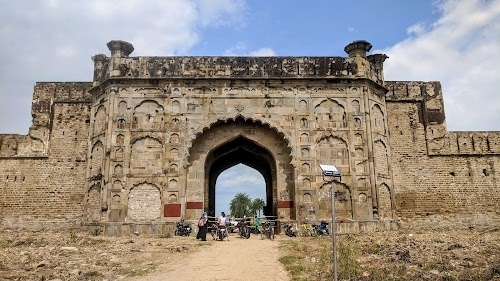



Sulatana Daku Ka Qila
What is this place?
Historic Ruin – This is a historic fort, now largely in ruins, located near Najibabad in Uttar Pradesh, India. I understand it's known locally as the "Fort of Sultana Daku," named after a famous dacoit (bandit) who was active in the early 20th century.Historical background
Ancient Origins – While the fort's exact construction date is debated, its origins likely trace back to an earlier period, possibly the Mughal or Rohilla era. It gained notoriety much later due to its association with Sultana Daku, who reportedly used the fort as a hideout.Why people come here
Local Legend – Visitors are primarily drawn here by the intriguing local legend of Sultana Daku and the fort's historical mystique. It offers a glimpse into a bygone era and the stories woven around it.What to expect
Quiet Exploration – You can expect a quiet, rustic environment dominated by the remnants of an old fort. The site is not heavily developed for tourism, so it provides a raw, exploratory experience amidst historical ruins.Key highlights
Fort Remnants – The main highlights are the surviving walls, gateways, and structures of the fort itself, which tell a silent story of its past. Exploring these ruins offers a sense of adventure and connection to history.How much time to spend
Short Visit – I recommend allocating about 1 to 2 hours to explore Sulatana Daku Ka Qila. This should be sufficient to walk around the accessible areas and take in the atmosphere of the ruins.Practical info
Open Access – The fort is generally accessible to visitors. As it's a ruin, facilities are minimal or non-existent. The best time to visit is typically during the cooler months, from October to March, to avoid the intense heat of summer.Good to know
Local Tales – It's good to know that the fort's fame largely stems from the tales of Sultana Daku, a legendary figure in regional folklore. While the historical accuracy of all associated stories may vary, they add a rich layer to the site's appeal.