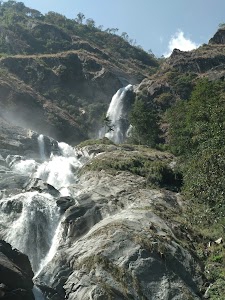
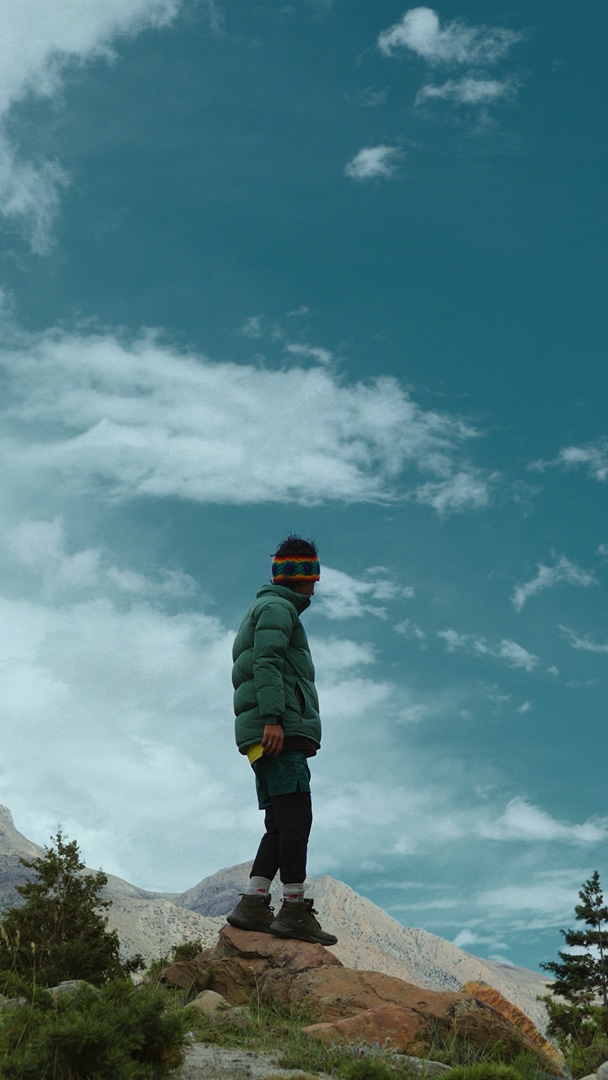
Trans-Himalayan Region – Mustang is a unique trans-Himalayan region in Nepal, characterized by its arid landscapes, deep gorges, and ancient Tibetan Buddhist culture. I find it was once an independent kingdom, often referred to as the "Last Forbidden Kingdom."
Historical Significance
Ancient Kingdom – This region holds a rich history, being the former Kingdom of Lo. Its isolation preserved a distinct Tibetan Buddhist culture, evident in its monasteries, chortens, and traditional villages like Lo Manthang , the walled capital.
Why people come here
Cultural Immersion – Visitors are drawn to Mustang for its stunning geological formations, ancient monasteries, and the opportunity to experience a well-preserved Tibetan culture. It offers a glimpse into a way of life that has remained largely unchanged for centuries.
What to expect
Remote Beauty – Expect dramatic, barren landscapes, contrasting with the snow-capped Himalayas. The atmosphere is generally serene and spiritual, with sparse crowds outside of peak trekking seasons. It's a place for quiet contemplation and adventure.
Activities and Exploration
Trekking & Culture – Here, I find people primarily engage in trekking through diverse terrains, visiting ancient monasteries and caves, and exploring traditional villages. Iconic sites include the walled city of Lo Manthang , Chhoser Caves , and experiencing local festivals like Tiji.
Best Time to Visit
Spring & Autumn – The most favorable times to visit are during spring (March-May) and autumn (September-November). These seasons offer clear skies, moderate temperatures, and the best views for trekking.
Good to Know
Permits Required – Access to Upper Mustang requires a special trekking permit, which is typically more expensive than other trekking regions in Nepal. The region is generally safe, but its remote nature means limited facilities. Always carry sufficient cash and be prepared for basic accommodations.