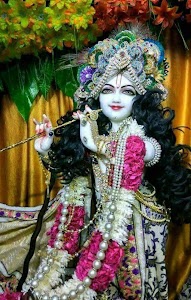
Local Temple – This is a Hindu temple dedicated to Lord Shiva, an important deity in the Hindu pantheon. As a "Mandir," it serves as a sacred space for worship and community gathering in the Nagla Mal area.
Spiritual or cultural significance
Devotional Hub – Shiv Mandir holds spiritual significance for devotees of Lord Shiva, who is revered as the destroyer of evil and the transformer. It acts as a focal point for religious practices, prayers, and cultural traditions within the local community.
Why people come here
Worship & Peace – People visit this Shiv Mandir primarily for worship, to offer prayers, perform rituals, and seek blessings from Lord Shiva. Many also come seeking a sense of peace, spiritual solace, and to participate in community religious events.
What to expect
Serene Atmosphere – When you visit, I expect you'll find a devotional and serene atmosphere. It's typically a place for quiet reflection, prayer, and observing local customs. You might encounter devotees performing 'puja' (worship rituals) or simply meditating.
Visitor etiquette
Respectful Conduct – As a religious site, respectful conduct is important. I recommend dressing modestly, covering your shoulders and knees. It's customary to remove your footwear before entering the main temple area. Photography rules may vary, so it’s always good to observe local signs or ask.
Best time to go
Morning & Evening – The best times to visit are generally during the early morning or late evening hours, which often coincide with 'aarti' (prayer ceremonies). These times offer a more vibrant devotional experience, though it might also be busier.
Good to know
Festivals & Offerings – Shiv Mandir becomes particularly lively during festivals like Maha Shivaratri, a major celebration dedicated to Lord Shiva. Devotees often bring offerings such as milk, water, bel leaves, and flowers for the deity.