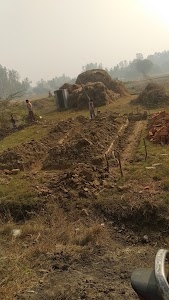
Historical Town – Mahmoodabad is a historic town located in the Sitapur district of Uttar Pradesh, India. It is primarily known as the seat of the ancient Mahmoodabad Estate, a significant Taluqdari (landlord) estate during the British Raj.
Why people come here
History & Heritage – People typically visit Mahmoodabad to explore its rich history and cultural heritage. The town offers a glimpse into the aristocratic lifestyle of Awadh through its historical structures and the enduring legacy of the Mahmoodabad Estate.
What to expect
Quiet Charm – Here’s what you can expect: a relatively quiet and traditional Indian town atmosphere. The experience is generally about exploring historical architecture and understanding local heritage, rather than bustling tourist activities. It suits those interested in history, culture, and a peaceful environment.
Historical background
Princely Estate – Mahmoodabad's history is deeply intertwined with its princely estate, which dates back centuries. The Rajas of Mahmoodabad were influential figures in the region, known for their administrative prowess and patronage of arts and culture. The estate played a crucial role in the social and political landscape of Awadh, particularly during the Mughal and British periods.
Key highlights
Mahmoodabad Fort – The primary highlight is the Mahmoodabad Fort , also known as the Qila. This historical edifice showcases traditional Awadhi architecture and offers insights into the opulent past of the estate. While parts may be privately owned or undergoing restoration, its exterior and accessible areas provide a sense of its former grandeur.
Good to know
Awadhi Culture – The town reflects strong Awadhi cultural influences, from its architecture to local customs and cuisine. Engaging with locals can offer deeper insights into the region's unique heritage.
Practical info
Local Exploration – Exploring Mahmoodabad typically involves walking around the town and its historical sites. Accessibility to all parts of the fort may vary, so it's advisable to inquire locally. General etiquette of respect towards historical sites and local customs applies.