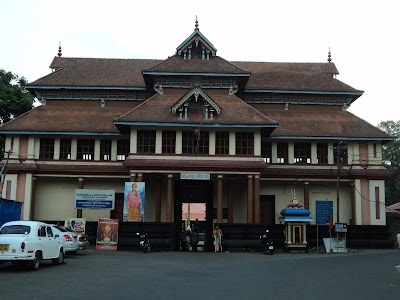
Town Overview – Chengannur is a significant municipality located in the Alappuzha district of Kerala, India. I see it as a vibrant hub nestled along the banks of the sacred Pamba River, serving as both a gateway to various pilgrimage sites and a center for local culture and commerce.
Why people come here
Pilgrimage & Heritage – People primarily visit Chengannur for its ancient temples and the spiritual tranquility it offers. It's a crucial stop for devotees on their way to the famous Sabarimala Ayyappan Temple , and its own historical temples attract a considerable number of worshippers and those interested in Kerala's rich heritage.
What to expect
Cultural Immersion – I find Chengannur offers a genuine glimpse into traditional Kerala life. You can expect a blend of bustling markets, serene river banks, and the vibrant atmosphere of temple festivals. It’s generally a calm yet lively place, with a strong sense of local customs and spirituality.
Best time to go
Cooler Months – The most pleasant time to visit Chengannur is typically during the cooler, drier months, from October to March. This period avoids the intense heat and heavy monsoon rains, making it more comfortable for exploration and temple visits.
Practical info
Transport Hub – Chengannur is notably well-connected by both road and rail. The Chengannur Railway Station is a major junction, making it easily accessible. For getting around, local buses, auto-rickshaws, and taxis are readily available. When visiting religious sites, I recommend dressing modestly as a sign of respect.
Good to know
Temple Town – Chengannur is especially renowned for the Chengannur Mahadeva Temple , an ancient temple dedicated to Lord Shiva and Goddess Parvati, known for its unique rituals and architectural beauty. The nearby Pamba River, considered sacred, adds to the town's spiritual ambiance and offers scenic spots.