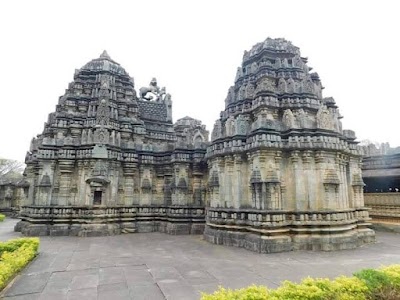
Historical Village – Balligavi is an ancient village in the Shivamogga district of Karnataka, India. It was once a prominent center of learning and culture during the Western Chalukya dynasty and the Hoysala Empire . It is known for its rich historical and architectural heritage, particularly its temples.
Why people come here
History and Architecture – People primarily visit Balligavi to explore its historical temples and admire the intricate Chalukyan and Hoysala architecture. It's a destination for those interested in ancient Indian history, art, and religious studies. Many come to see the remnants of a once-flourishing intellectual and spiritual hub.
What to expect
Quiet and Reflective – I find Balligavi to be a tranquil and historically rich destination. You can expect a quiet, reflective atmosphere, ideal for those who appreciate ancient ruins and architectural marvels. The village itself is small, and the focus is on its historical sites. It generally suits history buffs, architecture enthusiasts, and those seeking a peaceful cultural experience.
Historical background
Ancient Capital – Balligavi, historically known as Balipura, Chakranagara, and Dakshina Kedara, served as a significant capital for various dynasties, including the Western Chalukyas and the Hoysalas . It was a prominent center for education, religion, and art, boasting numerous temples, monasteries, and educational institutions. The village witnessed a golden age of architectural and literary development, leaving behind a legacy of impressive structures.
Key highlights
Temples and Sculptures – The main attractions here are the ancient temples. I recommend visiting the Kedareshwara Temple , dedicated to Lord Shiva, known for its intricate Hoysala architecture. Also, the Tripurantaka Temple is another significant site with beautiful carvings depicting stories from Hindu mythology. You'll find many detailed sculptures and inscriptions that offer insights into the region's past.
Best time to go
Cooler Months – The best time to visit Balligavi is generally during the cooler months, from October to March. The weather during this period is pleasant, making it comfortable for exploring the outdoor temple complexes and historical sites. Avoiding the monsoon season (June to September) and the hot summer months (April to May) is advisable.
How much time to spend
Half to Full Day – I suggest allocating about half a day to a full day to properly explore Balligavi. This allows enough time to visit the main temples, appreciate the architecture, and soak in the historical ambiance without feeling rushed. If you are particularly interested in history or photography, you might want to spend a bit more time.
Good to know
Remote Location – Balligavi is a relatively remote village, and public transport options might be limited. I recommend arranging private transportation or checking bus schedules in advance. There are also limited facilities for food and accommodation within the immediate vicinity, so it's a good idea to plan accordingly or carry essentials.