



Korba, Chhattisgarh, India
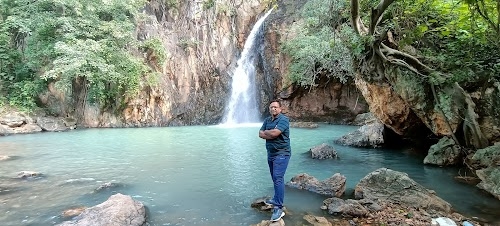
Natural Landscapes – Beyond its industrial core, I find Korba to be a region also blessed with diverse natural landscapes, including dense forests, hills, and several waterfalls. This combination offers a unique blend of industrial might and natural beauty.
Nature & History – I've observed that many also come to explore the district's natural attractions like waterfalls and forests, and to visit historical and religious sites such as ancient temples and forts nestled within its scenic surroundings.
Local Life – The atmosphere is generally lively in market areas and residential zones, reflecting the daily life of a growing industrial city. You'll encounter a mix of residents, industrial workers, and local explorers.
Monsoon Beauty – The monsoon season (July to September) can also be beautiful, as the waterfalls are at their fullest, but outdoor activities might be affected by heavy rainfall.
Accommodation – You'll find a range of accommodation options, from budget hotels to mid-range stays, catering to business travelers and tourists alike. Safety is generally good, but I always advise exercising standard caution.
Natural Wonders – Don't miss exploring some of the natural gems like Kudamali Waterfall or the historical Chaiturgarh Fort , which offer a different side to the industrial city.
What is this place?
Industrial Hub – Korba is a significant district in the Indian state of Chhattisgarh, often recognized by me as the "Power Capital of Chhattisgarh". It's a key industrial center, particularly known for its extensive coal mines and numerous thermal power plants that contribute substantially to the nation's electricity supply.Natural Landscapes – Beyond its industrial core, I find Korba to be a region also blessed with diverse natural landscapes, including dense forests, hills, and several waterfalls. This combination offers a unique blend of industrial might and natural beauty.
Why people come here
Industrial Insight – People typically visit Korba to witness its industrial prowess, particularly its large-scale coal mining operations and power generation facilities. It provides a unique perspective on India's energy sector.Nature & History – I've observed that many also come to explore the district's natural attractions like waterfalls and forests, and to visit historical and religious sites such as ancient temples and forts nestled within its scenic surroundings.
What to expect
Contrasting Views – Here, you can expect a landscape that presents a striking contrast: bustling industrial zones alongside serene natural retreats. The air might carry a hint of industry in certain areas, while others offer refreshing natural environments.Local Life – The atmosphere is generally lively in market areas and residential zones, reflecting the daily life of a growing industrial city. You'll encounter a mix of residents, industrial workers, and local explorers.
Best time to go
Cooler Months – I recommend planning your visit during the winter months, typically from October to March. The weather during this period is much milder and more pleasant for both outdoor exploration and general sightseeing.Monsoon Beauty – The monsoon season (July to September) can also be beautiful, as the waterfalls are at their fullest, but outdoor activities might be affected by heavy rainfall.
Practical info
Transportation – Korba is generally accessible by road and rail, with its own railway station. Within the city, local transport options like auto-rickshaws and taxis are available.Accommodation – You'll find a range of accommodation options, from budget hotels to mid-range stays, catering to business travelers and tourists alike. Safety is generally good, but I always advise exercising standard caution.
Good to know
Power Capital – Korba is often called the "Power Capital of Chhattisgarh" due to its significant contribution to power generation in India. It houses several major thermal power plants.Natural Wonders – Don't miss exploring some of the natural gems like Kudamali Waterfall or the historical Chaiturgarh Fort , which offer a different side to the industrial city.
