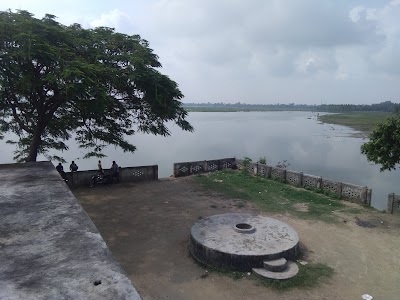
Natural Wetland – This is a vast freshwater wetland, Bakhira Jheel , located in the Sant Kabir Nagar district of Uttar Pradesh. It is recognized as a significant ecological site and has been designated as a Ramsar site, highlighting its international importance for biodiversity.
Why people come here
Birdwatching Haven – People typically visit Bakhira Jheel to experience its rich biodiversity, primarily for birdwatching. It serves as a crucial habitat for a wide array of resident and migratory birds, especially during the cooler months. It's a peaceful escape into nature.
What to expect
Serene Nature – Here, you can expect a serene and relatively undeveloped natural environment. The atmosphere is generally calm, offering a quiet retreat from urban life. It's best suited for nature enthusiasts, birdwatchers, and photographers looking to connect with wildlife.
What to do here
Birdwatching – I recommend bringing your binoculars and camera to observe the diverse avian species that call Bakhira Jheel home. You might spot various waterfowls, storks, cranes, and raptors.
Nature Walks – Explore the periphery of the jheel on foot, enjoying the tranquil surroundings and the sounds of nature.
Photography – The scenic landscape and abundant wildlife offer excellent opportunities for nature photography.
Best time to go
Winter Months – The ideal time to visit Bakhira Jheel is generally during the winter season, from November to March. This is when numerous migratory bird species arrive, making it the most vibrant period for birdwatching. The weather is also more pleasant during these months.
Practical info
Basic Facilities – As a natural wetland, facilities around Bakhira Jheel are generally basic. It is advisable to carry your own water, snacks, and any necessary personal items. Accessibility can vary, often involving walking on unpaved paths.
Good to know
Ramsar Site – Bakhira Jheel's designation as a Ramsar site means it is a wetland of international importance, recognized for its ecological value. This status underscores its role in supporting biodiversity, particularly waterbirds.