




**Title:** Sarajevo, Bosnia and Herzegovina
What is this place?
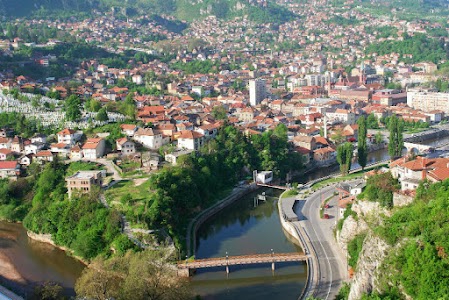
Capital City – Sarajevo is the capital and largest city of Bosnia and Herzegovina. I see it as a vibrant hub nestled in the Dinaric Alps, straddling the Miljacka River . This city has a rich, complex history, often referred to as the "Jerusalem of Europe" due to its diverse religious coexistence.Why people come here
Historical Layers – People visit Sarajevo to experience its unique blend of Eastern and Western cultures. It’s a place where Ottoman and Austro-Hungarian architectural styles meet, offering a glimpse into centuries of intertwined history. Many are drawn to understand its resilience and recovery from past conflicts.What to expect
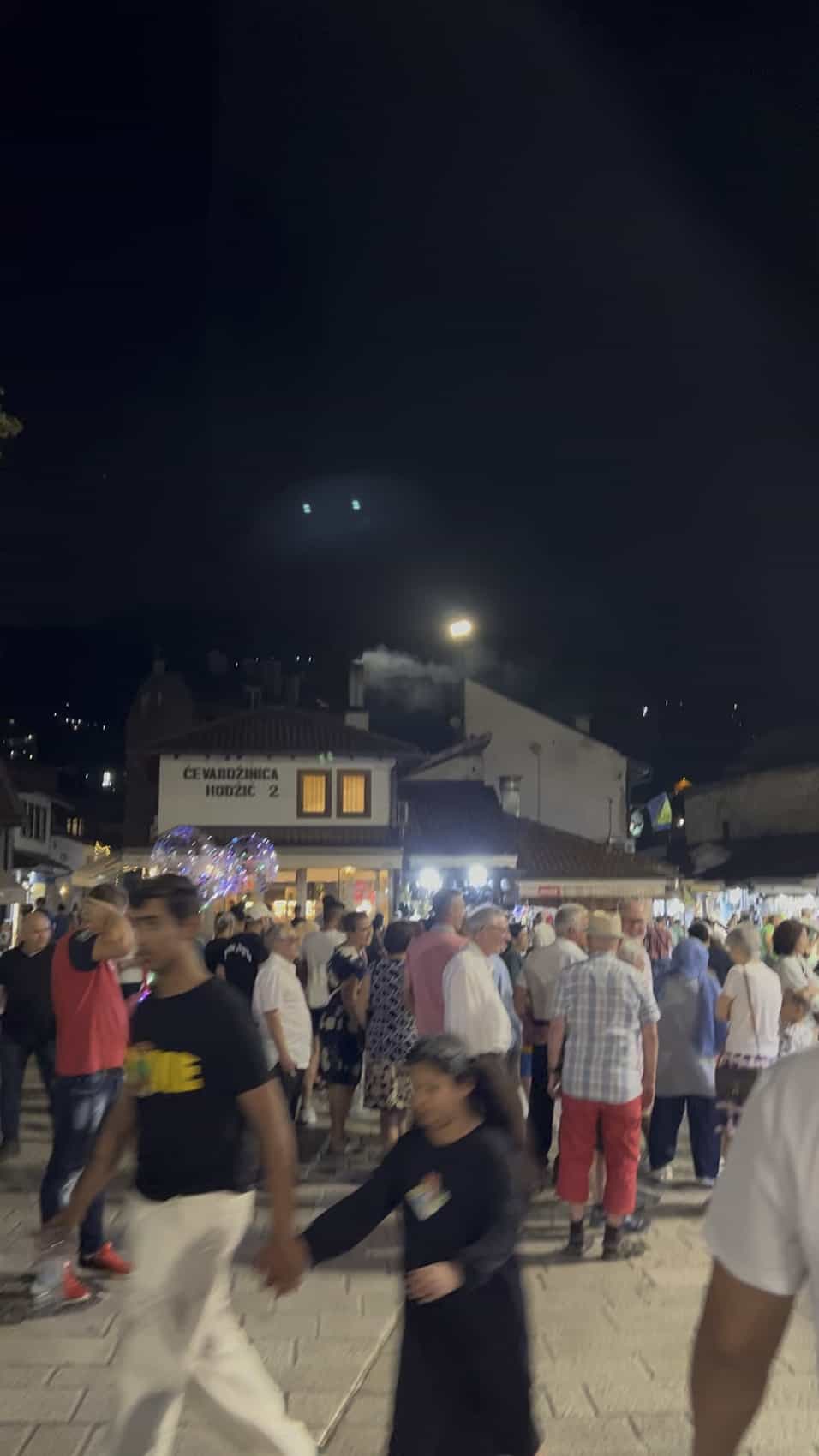
Cultural Fusion – You can expect a city with a distinctive atmosphere, where ancient traditions meet modern life. The streets often buzz with activity, particularly in the Old Town area, known as Baščaršija . The crowd levels can vary, but generally, it offers a welcoming and engaging experience for those interested in history, culture, and gastronomy.Best time to go
Spring or Autumn – I find that the shoulder seasons, particularly spring (April to June) and autumn (September to October), offer the most pleasant weather for exploring Sarajevo . Summers can be warm, and winters bring snow, which can be beautiful but also challenging for travel.Practical info
Walkable City – Sarajevo is generally a walkable city, especially its central areas. Public transport, including trams and buses, is available. Regarding safety, it is generally considered safe for visitors, but standard precautions for any urban environment are advisable. Accessibility varies across the city, with older areas having cobblestone streets.Good to know
Coffee Culture – The city has a strong coffee culture, with traditional Bosnian coffee being a significant part of daily life. I've observed that taking time for coffee is a common social ritual here. Also, the food scene offers a delightful array of local dishes, reflecting its diverse culinary heritage.