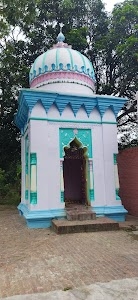
Hindu Temple – This is a sacred Hindu temple dedicated to Lord Shiva, one of the principal deities in Hinduism. It serves as a spiritual center for devotees in the Shahpur Choudhary Tola area, offering a place for worship and contemplation.
Spiritual or cultural significance
Devotion & Peace – As a Mahadev temple, it holds significant spiritual importance for followers of Shaivism. Devotees visit to offer prayers, seek blessings for well-being, and find a sense of peace and spiritual connection. It's a place where the community often gathers for religious observances and festivals.
Why people come here
Worship & Rituals – People typically come here to perform daily prayers (puja), offer water and milk to the Shiva Lingam, and participate in special rituals. It's a common practice to visit on auspicious days, especially Mondays, which are traditionally dedicated to Lord Shiva, and during festivals.
What to expect
Serene Atmosphere – When you visit, I expect you'll find a calm and devotional atmosphere. You’ll likely see devotees engaged in prayer, quiet contemplation, and performing traditional offerings. The temple generally offers a tranquil escape from the everyday hustle.
Visitor etiquette
Respectful Conduct – To ensure a respectful visit, I recommend dressing modestly, covering your shoulders and knees. It is customary to remove your footwear before entering the temple premises. Photography might be restricted in certain areas, particularly within the inner sanctum, so please observe any signs or ask if unsure. Maintaining a quiet demeanor is also appreciated.
Practical info
General Timings – Temples like this typically open in the morning and close in the evening, often with a midday break. Your visit is likely to be a relatively short one, usually lasting 15-30 minutes for a simple darshan (viewing of the deity) and prayer. Accessibility is generally good, though specific facilities like dedicated parking or washrooms might vary.
Good to know
Offerings & Festivals – I find that bringing offerings such as flowers, bilva leaves, milk, or water is a common practice for devotees. The temple truly comes alive during major festivals like Mahashivratri, when special prayers and celebrations are held, drawing larger crowds and creating a vibrant spiritual experience.