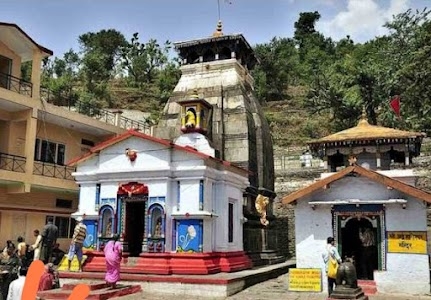
Ancient Temple – This is an ancient Hindu temple dedicated to Lord Shiva, revered as Vishwanath. I find it to be a significant pilgrimage site nestled in the Himalayas, specifically in the town of Uttarkashi.
Significance and Purpose
Spiritual Hub – People come here primarily for worship and spiritual solace. It holds deep religious importance, believed by many to be where Lord Shiva resided after the Kashi Vishwanath Temple in Varanasi. It's a key stop for devotees on their way to Gangotri.
What to expect
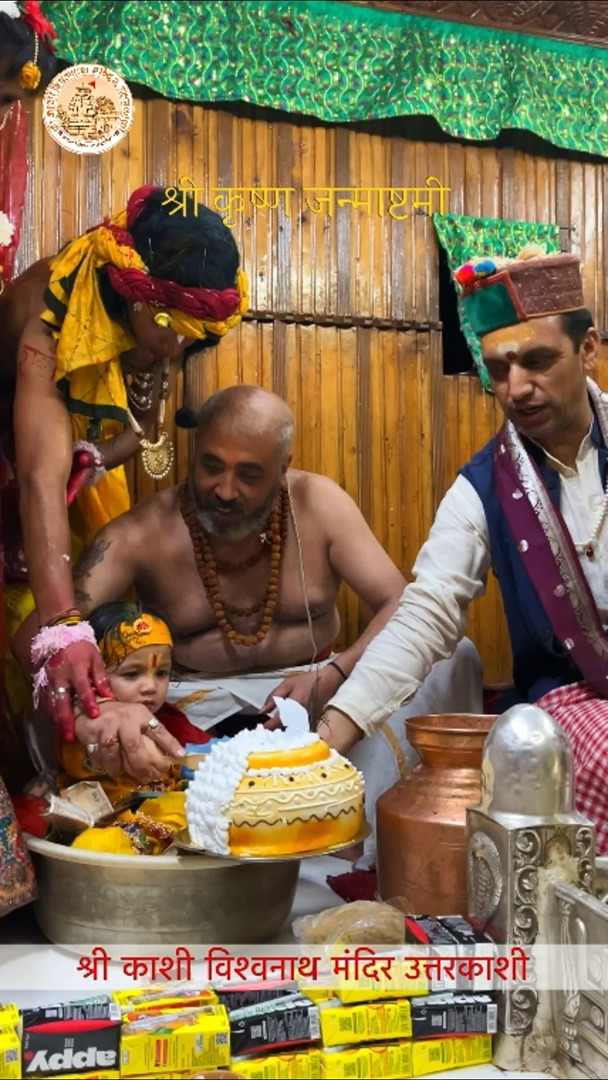
Devotional Atmosphere – When you visit, I expect you'll find a serene and devotional atmosphere. The temple complex is generally peaceful, attracting pilgrims and devotees seeking blessings. You can anticipate a blend of quiet reflection and active worship.
Best time to go
Pleasant Weather – I recommend visiting during the spring (April to June) or autumn (September to November) months. The weather during these periods is generally pleasant, making travel and darshan more comfortable. Winters can be very cold, and monsoons bring heavy rainfall.
Practical info
General Access – The temple is located within Uttarkashi town and is generally accessible. While specific timings can vary, temples typically open for darshan in the mornings and evenings. I advise checking locally for current schedules.
Visitor etiquette
Respectful Conduct – As with most religious sites, I suggest dressing modestly to show respect. Photography rules might apply inside the inner sanctum, so it's wise to observe local signs or ask. Maintaining silence and reverence is appreciated by fellow devotees.
Good to know
Historic Trishul – A notable feature here is the leaning trident (Trishul) standing outside the main temple. I find its ancient inscriptions and composition of eight metals (Ashtadhatu) particularly interesting. The adjacent Shakti Temple, with its large brass trident, is also worth noting.