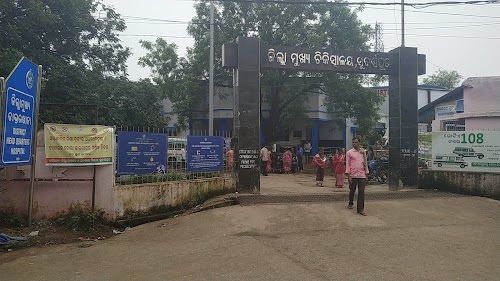
Healthcare Facility – This is a hospital, a medical institution dedicated to providing healthcare services to the community. It serves as a central point for medical treatment, diagnosis, and patient care.
Why people come here
Medical Needs – People typically come here for various medical reasons, including emergencies, consultations with doctors, scheduled treatments, surgeries, and diagnostic tests. It's a place for healing and health management.
What to expect
Clinical Environment – I expect a professional and clinical environment focused on patient well-being. You'll likely encounter medical staff, patients, and visitors. The atmosphere is generally quiet and organized, though it can become busy during peak hours or emergencies.
Practical info
General Guidance – Timings for specific departments or services can vary, so it's often best to inquire directly. Accessibility for patients with mobility issues is usually a priority. Parking availability can differ, so I recommend checking in advance, especially if you're driving.
Good to know
Essential Services – Hospitals are vital community resources. They typically have emergency services available 24/7. It's always a good idea to know the location of your nearest hospital for any unforeseen medical needs.
Services and departments
Comprehensive Care – Hospitals generally offer a range of services, which can include emergency care, outpatient clinics, inpatient wards, surgical facilities, and diagnostic imaging. Specific departments like general medicine, pediatrics, or orthopedics are common.
Visiting guidance
Patient Support – Visiting hours are usually in place to ensure patient rest and recovery. If you plan to visit a patient, I advise checking the hospital's specific visiting policies beforehand. Appointments are typically required for non-emergency consultations.