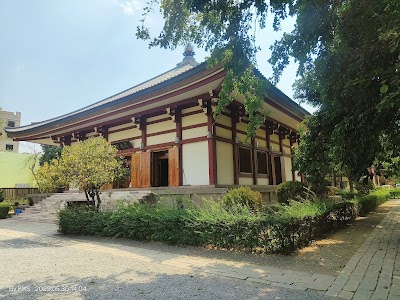
Buddhist Temple – This is the Japanese Temple in Bodh Gaya, a significant Buddhist site known for its distinctive architecture.
What is this place?
Serene Sanctuary – I see this as a serene Buddhist temple, officially known as Indosan Nipponji . It was built by Japanese Buddhists to promote peace and understanding, standing as a symbol of global Buddhist unity in the sacred town of Bodh Gaya .
Why people come here
Pilgrimage & Peace – Many visitors come here for spiritual pilgrimage, seeking a tranquil space for meditation and prayer. It’s also a place where people connect with Buddhist culture and admire the distinctive Japanese architectural style, contributing to the rich tapestry of international temples in Bodh Gaya.
What to expect
Calm & Culture – You can expect a profoundly peaceful and contemplative atmosphere here. The temple showcases traditional Japanese architectural elements, offering a unique visual experience distinct from other temples in the area. It’s generally a quiet place, ideal for reflection, and you might observe monks performing daily rituals.
Spiritual or cultural significance
International Symbol – This temple holds spiritual significance as a center for Buddhist worship and practice, reflecting the global reach of Buddhism. Culturally, it represents the strong ties between Japan and India, particularly in preserving and promoting Buddhist heritage. It’s a key part of the international Buddhist circuit in Bodh Gaya.
Visitor etiquette
Respect & Silence – I advise visitors to dress modestly, covering shoulders and knees, as a sign of respect for the sacred space. It is customary to remove your shoes before entering the main prayer halls. Maintaining a quiet demeanor and refraining from loud conversations helps preserve the temple's peaceful ambiance for all.
Practical info
General Hours – The temple generally operates during daylight hours, though specific timings can vary. There is typically no entry fee, but donations are welcome. Accessibility is usually straightforward, and facilities like shoe-keeping areas might be available.
Good to know
Unique Design – I've noted that the temple's architecture, with its distinct Japanese pagoda-style roof and intricate carvings, makes it stand out. It’s a wonderful place to experience a different facet of Buddhist art and devotion within the broader pilgrimage site of Bodh Gaya .