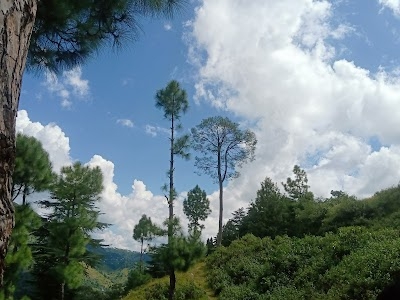
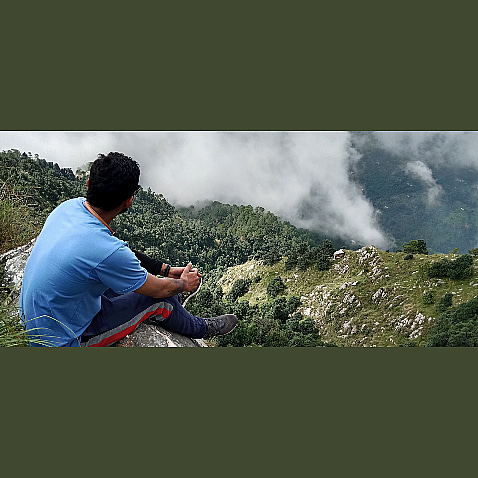
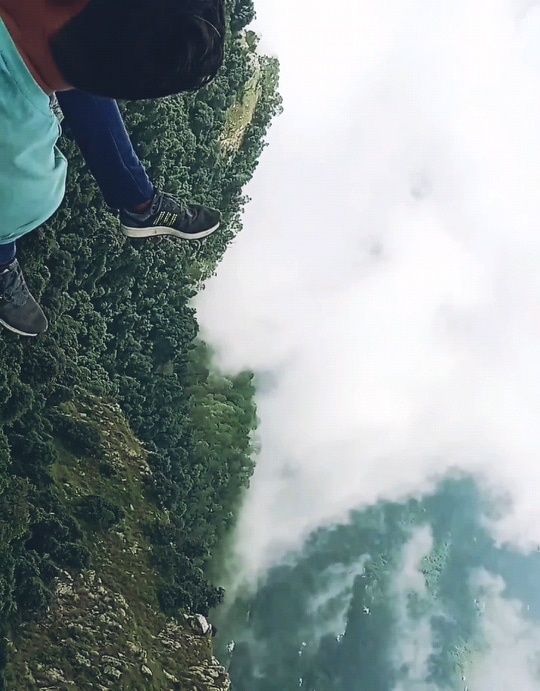
Himalayan Foothills – This is a serene geographical region nestled in the Kumaon Himalayas, surrounding the ancient town of Dwarahat. I find it to be a beautiful blend of natural landscapes, lush forests, and rich cultural heritage.
Why people come here
Peace & Temples – People typically visit the Dwarahat Range for its tranquil environment, panoramic views of the Himalayan peaks, and to explore the numerous ancient temples scattered across the region. It’s a place for quiet contemplation and appreciating nature.
What to expect
Serene & Scenic – Here, you can expect a peaceful atmosphere away from bustling crowds. The air is crisp, and the scenery is dominated by rolling hills, dense pine and oak forests, and distant snow-capped mountains. It generally suits those seeking spiritual solace, nature lovers, and history enthusiasts.
What to do here
Explore & Trek – My explorations show that visitors enjoy gentle nature walks through the forests, temple hopping to ancient shrines like the Dunagiri Temple and Mrityunjaya Temple , and simply soaking in the majestic mountain views. Photography opportunities are abundant.
Best time to go
Spring & Autumn – I find the most pleasant times to visit are during spring (March to May) and autumn (September to November). The weather is mild, and the skies are generally clear, offering excellent visibility of the Himalayas. Monsoons (July-August) bring heavy rains, and winters (December-February) are quite cold.
Accessibility and effort level
Road Accessible – The region is generally accessible by road, with the town of Dwarahat serving as a central point. Most temple visits involve some walking, often uphill, but these are typically of moderate effort. General fitness is sufficient for exploring the area.
Good to know
Cultural Hub – This area is historically significant, known as a cradle of Katyuri architecture. Many temples here date back centuries, offering a glimpse into ancient Kumaoni craftsmanship and spiritual traditions. It’s a place to respectfully engage with local culture.