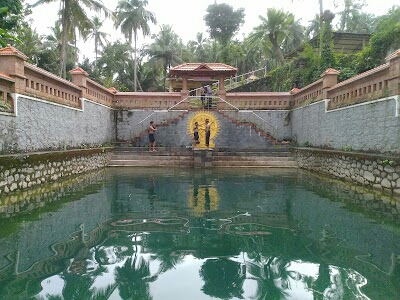
Temple Overview – I can tell you that this is a revered Hindu temple dedicated to Lord Shiva (Mahadeva) and Goddess Devi. It serves as a significant spiritual landmark for the local community and devotees in the region of Sivapuram.
Why people come here
Spiritual Journey – People primarily visit this temple to offer their prayers, seek blessings from the deities, and participate in various religious rituals and ceremonies. It's a place for spiritual solace and connection to traditional practices.
What to expect
Serene Atmosphere – You can anticipate a generally peaceful and devotional atmosphere, characteristic of traditional Kerala temples. During special festivals or auspicious days, the temple can become quite vibrant and experience higher footfall.
Spiritual or cultural significance
Divine Connection – This temple holds deep spiritual importance, being dedicated to both Mahadeva and Devi. Its presence is woven into the cultural fabric of the region, often featuring in local traditions and religious observances that have been passed down through generations.
Visitor etiquette
Respectful Conduct – When visiting, it's customary to dress modestly, ensuring your shoulders and knees are covered as a sign of respect. Photography might be restricted in certain areas, especially inside the sanctum. Remember to remove your footwear before entering the main temple premises.
Best time to go
Daily Darshan – The temple typically opens for darshan (viewing of the deity) during morning and evening hours. If you prefer a quieter experience, visiting outside of major festival periods or peak prayer times might be ideal.
Practical info
Access & Parking – The temple is located on SH 34, making it accessible by road. While there might be some parking available, it's often informal and can be limited, especially during busy times. Always check local signs or ask for guidance on parking.
Good to know
Local Landmark – This temple is an integral part of the Sivapuram locality, serving as a focal point for religious and community gatherings. It offers a glimpse into the traditional temple architecture and spiritual practices of the region.