Ancient City – Petra is an ancient city carved directly into vibrant red sandstone cliffs.
What is this place?
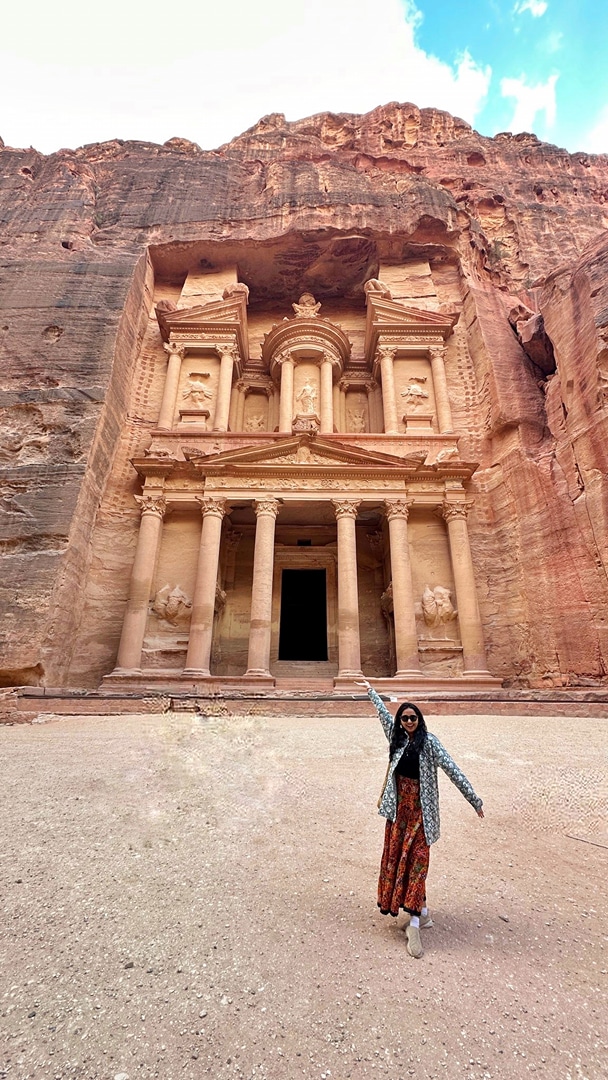
Historical Wonder – Petra is a historical and archaeological city in southern Jordan , famous for its rock-cut architecture and water conduit system. It is also known as the "Rose City" due to the color of the stone from which it is carved. I find it to be a truly remarkable testament to ancient engineering and artistry.
Why people come here
Exploration & History – People come to Petra primarily to explore its breathtaking ancient structures, marvel at the intricate carvings, and immerse themselves in its rich history. It's a journey back in time, offering a unique glimpse into the Nabataean civilization. Many are drawn by the iconic Treasury , but discover a vast city beyond it.
What to expect
Vast & Awe-Inspiring – Expect a vast archaeological site that requires significant walking and exploration. The atmosphere is one of awe and wonder, with towering cliffs and monumental facades at every turn. It can be crowded, especially around major sites like the Treasury and the Monastery . It suits history enthusiasts, adventurous travelers, and anyone seeking a truly unique cultural experience.
Historical background
Nabataean Capital – Petra was established around the 4th century BC as the capital city of the Nabataeans, an ancient Arab people. It flourished as a major trading hub, strategically located along important trade routes. The city's unique architecture, carved directly into the rock, developed over centuries, showcasing a blend of Nabataean and Greco-Roman influences. It was later annexed by the Roman Empire in 106 AD and eventually declined, remaining largely unknown to the Western world until its "rediscovery" in 1812.
Key highlights
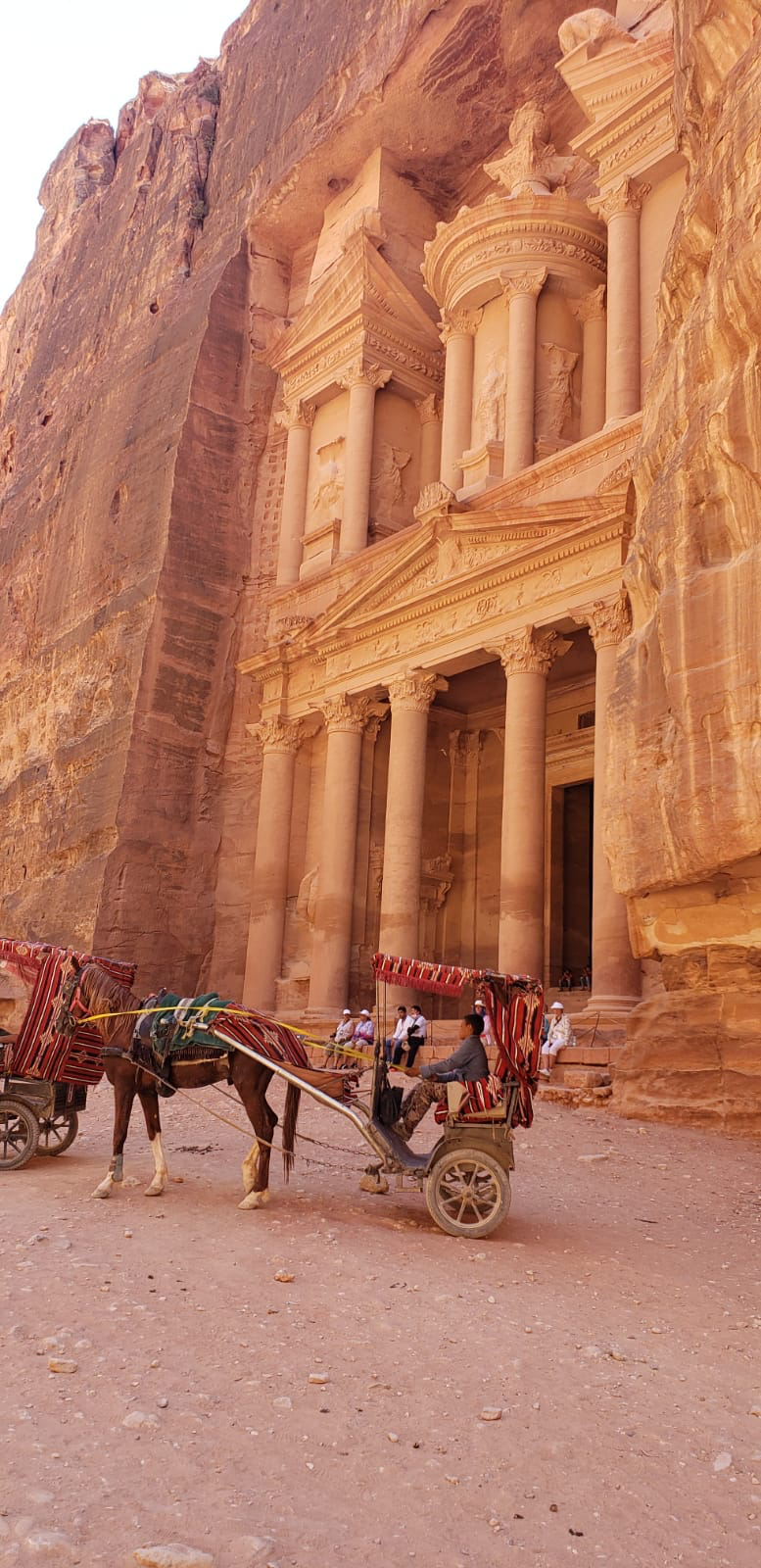
Iconic Structures – The most notable structures include Al-Khazneh (The Treasury) , famous for its elaborate façade; Ad Deir (The Monastery) , a massive monument high up in the mountains; the Siq , a narrow canyon entrance; and the Street of Facades with its numerous rock-cut tombs. Don't miss the Royal Tombs and the Roman Theater .
Best time to visit
Spring or Autumn – The best time to visit Petra is generally during the spring (March to May) or autumn (September to November). During these months, the weather is milder and more pleasant for walking and exploring the extensive site. Summer can be extremely hot, and winter can bring cold temperatures and occasional rain.
How much time to spend
Full Day or More – To truly experience Petra, I recommend dedicating at least a full day (6-8 hours) to explore the main sites. If you wish to hike to the Monastery or other remote areas, consider spending two or even three days.
Practical info
Walking & Hydration – Be prepared for a lot of walking on uneven terrain. Wear comfortable, sturdy shoes. Hydration is crucial, especially in warmer months, so carry plenty of water. There are facilities for food and restrooms within the site. While donkeys and camels are available for hire, I encourage visitors to consider the welfare of the animals.
Good to know
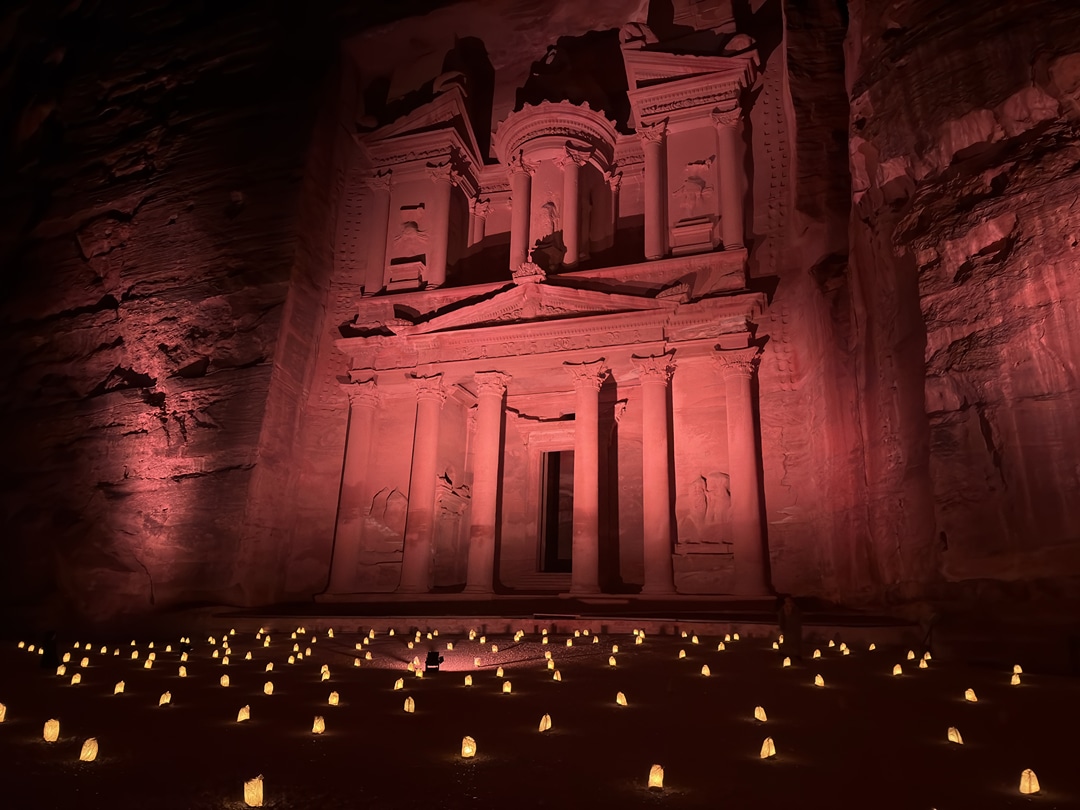
Petra by Night – Consider experiencing Petra by Night , a magical evening event where the Siq and Treasury are illuminated by thousands of candles. This offers a different and memorable perspective of the ancient city.