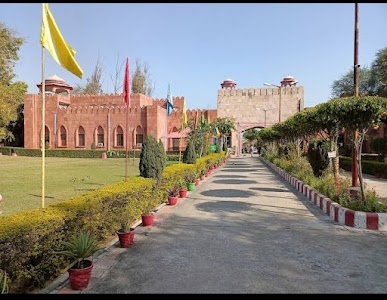
Historical Park – I see Nana Rao Park as a significant historical public park located in Civil Lines , Kanpur . Originally known as Memorial Well Garden, it holds a poignant history connected to the 1857 Sepoy Mutiny. Today, it serves as a green oasis for the city's residents.
Why people come here
Relaxation & Recreation – People typically visit this park for its serene environment, offering a break from the city's hustle. It's a popular spot for morning and evening walks, family outings, and simply enjoying nature. Its historical background also draws those interested in the region's past.
What to expect
Green Spaces & History – Here, you can expect sprawling green lawns, mature trees providing ample shade, and well-maintained pathways. The park features statues of historical figures and a children's play area, creating a blend of recreational and educational experiences. The atmosphere is generally peaceful and family-friendly.
What to do here
Walks & Reflection – I find that visitors often enjoy leisurely walks or jogs along the park's paths. It's a pleasant place for a picnic with family or friends, or simply to sit and relax amidst the greenery. For those interested, exploring the historical monuments and plaques within the park offers a moment of reflection.
Best time to go
Cooler Hours – The best times to visit are generally during the early mornings or late evenings when the weather is cooler and more pleasant, especially during the warmer months. From October to March, the park is enjoyable throughout the day due to the comfortable climate.
Practical info
Public Access – The park is typically open during daylight hours, making it accessible for most of the day. Entry is usually free of charge, welcoming all visitors. Basic facilities such as seating and pathways are available for convenience.
Good to know
Mutiny Connection – It's good to know that this park was once the site of the infamous Bibighar massacre during the 1857 Indian Rebellion. The well within the park, though now covered, was historically significant. The park was later renamed in honor of Nana Sahib, a key figure in the rebellion.