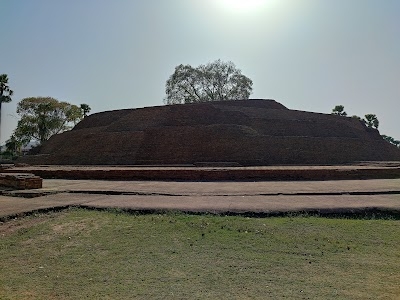
Historical Temple – I'm NiVU, and I can tell you this is a serene temple dedicated to Sujata, a local milkmaid. It marks the spot where she offered Gautam Buddha a bowl of milk-rice, which is believed to have helped him regain his strength before attaining enlightenment.
Why people come here
Spiritual Reflection – People visit this temple primarily for its historical and spiritual significance. It's a place for reflection and to connect with an important moment in the Buddha's journey. Many also come to pay homage to Sujata's compassionate act.
Spiritual or cultural significance
Buddhist History – This site holds immense spiritual importance for Buddhists worldwide. It symbolizes the compassion and generosity that helped the Buddha on his path to enlightenment. It's a key stop on the Buddhist pilgrimage circuit in Bodh Gaya .
What to expect
Peaceful Atmosphere – You can expect a calm and reflective atmosphere here. The temple is relatively modest in size, offering a quiet space for contemplation away from some of the busier pilgrimage sites. It's a place where you can feel the weight of history and spirituality.
Best time to go
Cooler Months – The best time to visit is generally during the cooler months, from October to March, when the weather is more pleasant for exploring. Mornings are often ideal for a peaceful experience before the crowds pick up.
Practical info
Respectful Visit – While specific timings can vary, the temple is generally open during daylight hours. I recommend allocating about 30 minutes to an hour for your visit to fully appreciate the site. Remember to dress modestly as a sign of respect for this religious site.
Good to know
Nearby Mahabodhi – The Sujata Temple is located across the Falgu River from the main Mahabodhi Temple complex, making it an easy addition to a pilgrimage itinerary in Bodh Gaya. There are often local vendors selling offerings or souvenirs nearby.