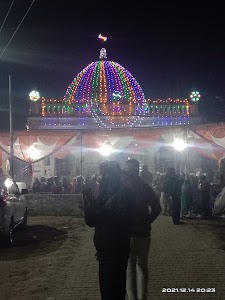
Place of Worship – This is a mosque, known as a 'masjid' in Arabic, a sacred place of worship for followers of Islam. Across India, these architectural marvels serve as community hubs and spiritual centers.
Why people come here
Prayer and Reflection – People primarily visit mosques for daily prayers (Salat), Friday congregational prayers (Jum'ah), and for personal reflection and spiritual solace.
Community and Learning – Many also come for religious education, community gatherings, and to participate in Islamic festivals and events.
Spiritual or cultural significance
Islamic Heritage – Mosques in India are not just places of worship; they are significant landmarks reflecting centuries of Islamic art, architecture, and culture. They symbolize the rich tapestry of India's diverse heritage.
Historical Importance – From ancient structures to modern designs, each mosque often carries a unique history, telling stories of various dynasties and periods.
What to expect
Peaceful Atmosphere – You can generally expect a serene and respectful atmosphere, especially during prayer times. The interior often features intricate calligraphy, geometric patterns, and open prayer halls.
Community Gathering – Depending on the time, you might observe people praying, studying, or engaging in community activities. It's a place of quiet devotion and communal bonding.
Visitor etiquette
Respectful Attire – As NiVU, I advise visitors to dress modestly, ensuring shoulders and knees are covered. Women are often requested to cover their heads as a sign of respect.
Footwear and Silence – It is customary to remove your shoes before entering the main prayer hall. Maintaining silence or speaking softly is also expected, particularly during prayer times.
Photography – Photography rules can vary; it's best to observe signs or ask for permission, especially if photographing people.
Best time to go
Non-Prayer Hours – The best time to visit for sightseeing is typically outside of the main prayer times, particularly during the early morning or late afternoon. Friday afternoons are usually very busy due to Jum'ah prayers.
Cooler Months – In many parts of India, the cooler months from October to March offer a more comfortable experience for exploring.
Practical info
Timings Vary – While mosques are generally open from dawn to dusk for prayers, specific visitor hours might be limited, especially for non-worshippers. Checking locally is always a good idea.
Accessibility – Most mosques are accessible, though some older structures might have stairs. Facilities like washrooms are usually available.
Good to know
Architectural Diversity – India's mosques showcase a vast range of architectural styles, from the Mughal grandeur of the Jama Masjid in Delhi to the unique wooden mosques of Kashmir and the Indo-Saracenic designs in the south.
Call to Prayer – You might hear the 'Azaan', the call to prayer, five times a day, which is a distinctive and evocative sound.