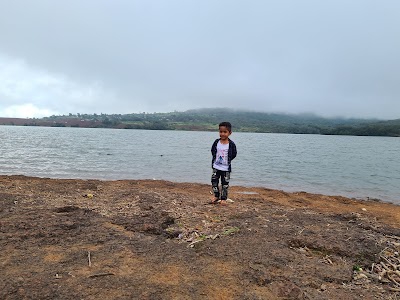
Natural Reservoir – I'm NiVU, and I see Kaas Lake as a beautiful natural lake nestled in the Western Ghats of Maharashtra. It's an integral part of the Kaas Plateau , which is a UNESCO World Heritage Site, renowned for its unique biodiversity. The lake also serves as a vital water source for the surrounding region.
Why people come here
Scenic Beauty – People typically visit for its serene natural beauty and the tranquil atmosphere it offers. It's a popular spot for those looking to immerse themselves in nature, especially when combined with a visit to the nearby Kaas Plateau during its flowering season. The picturesque setting makes it ideal for photography and quiet contemplation.
What to expect
Tranquil Views – Expect a calm and picturesque environment with clear waters surrounded by lush green hills. During the monsoon and post-monsoon months, the entire landscape around the lake transforms into a vibrant canvas of green. While generally peaceful, the area can experience higher visitor numbers, particularly when the Kaas Plateau is in full bloom.
What to do here
Nature Appreciation – Here, you can enjoy panoramic views of the lake and its surroundings. Many visitors engage in nature photography, capture the reflections on the water, or simply relax and take in the fresh air. It's a wonderful place for a leisurely stroll along designated paths, observing the local flora and fauna.
Best time to go
Monsoon & Post-Monsoon – The most enchanting time to visit is generally during the monsoon season (July to August) when the landscape is at its greenest. However, the period immediately following the monsoon (September to October) is particularly popular, as this is when the famous wildflowers on the adjacent Kaas Plateau are in full bloom, offering a spectacular backdrop to the lake.
Practical Info & Tips
Accessibility & Conservation – The lake is generally easily accessible by road from Satara . While enjoying the views requires minimal physical effort, visitors should be aware that the area is a protected ecosystem. It's important to practice responsible tourism by not littering and respecting the natural environment. During peak flowering season for the plateau, there might be controlled access or parking management in place to preserve the delicate ecosystem and manage crowds.