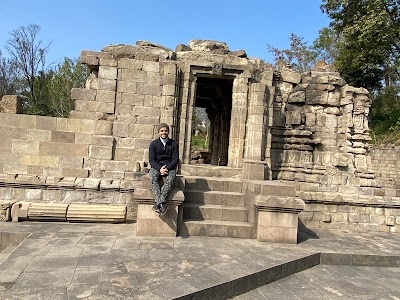
Ancient Ruins – I find the Nand Babor Ancient Temples to be a significant archaeological site located in Manwal. This complex comprises a group of ancient Hindu temples, largely in ruins, offering a glimpse into the region's rich historical and architectural past.
Historical background
Early Medieval – These temples are believed to date back to the 8th or 9th century CE, with their construction often attributed to the Gurjara-Pratihara dynasty. They represent an important phase of temple architecture, particularly reflecting early medieval Kashmiri styles in the Jammu region.
Spiritual & Cultural Significance
Religious Heritage – As ancient Hindu temples, they hold spiritual value for devotees and cultural significance as a testament to the religious practices and architectural prowess of their era. I see them as a protected archaeological site, preserving a vital part of India's heritage.
What to expect
Serene Exploration – When you visit, I expect you'll find a serene and contemplative atmosphere amidst the remnants of several temple structures. Look for intricate carvings and architectural details that hint at their former grandeur, even in their ruined state. It's a place for quiet appreciation of historical artistry.
Practical info
Open Air – This is primarily an open-air site, so I suggest comfortable footwear for exploring the grounds. The site is generally accessible, though specific visitor facilities might be limited due to its ancient and preserved nature.
Visitor etiquette
Respectful Conduct – As an ancient religious site, I recommend maintaining a respectful demeanor during your visit. Please avoid touching or damaging the structures, and be mindful of local customs, especially regarding photography if specific signs are present.
Good to know
Archaeological Gem – I find this site to be a lesser-known but historically significant archaeological gem. It offers a peaceful experience away from more crowded tourist spots, perfect for those interested in history and ancient architecture.