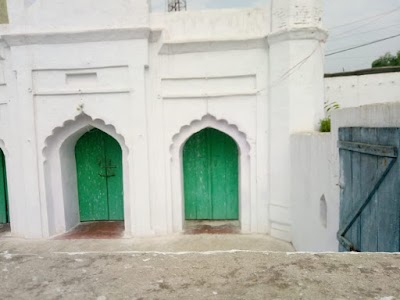
Place of Worship – This is a mosque, specifically serving as a central place of worship for the Shia Muslim community in Kawaal. It functions as a spiritual focal point for local residents.
Spiritual or cultural significance
Community Hub – For the Shia community, this masjid holds deep spiritual and cultural importance. It's not just a place for daily prayers but also a hub for religious education, community gatherings, and observing significant Islamic events and festivals throughout the year.
Why people come here
Prayer and Reflection – People primarily visit to offer their daily prayers (Salat), participate in congregational prayers, especially the weekly Friday prayers (Jum'ah), and to engage in spiritual reflection. It's also where the community gathers for religious ceremonies and to commemorate important dates in the Islamic calendar.
What to expect
Serene Environment – I expect a generally peaceful and respectful atmosphere, especially outside of peak prayer times. During prayer calls or major religious events, the masjid will naturally be more vibrant with worshippers. The environment is conducive to quiet contemplation and communal worship.
Visitor etiquette
Respectful Conduct – When visiting, I recommend dressing modestly, with both men and women covering their arms and legs. Women are generally expected to cover their heads. Remember to remove your shoes before entering the main prayer areas. Maintaining silence and showing respect, particularly during prayer times, is highly appreciated. Photography might be restricted in certain areas or during active worship.
Practical info
Prayer Times – The masjid's operating hours typically revolve around the five daily prayer times, with specific timings varying throughout the year. The duration of your visit can range from a brief prayer to longer periods for contemplation or attending sermons. While specific accessibility details are unknown, places of worship generally aim to accommodate visitors.
Facilities for visitors
Basic Amenities – You can generally expect facilities for ablution (Wudu), which are ritual washing areas, along with washrooms. There are usually designated spaces for shoe storage near the entrances to the prayer halls. Details regarding specific parking facilities or dedicated visitor services are typically known locally.