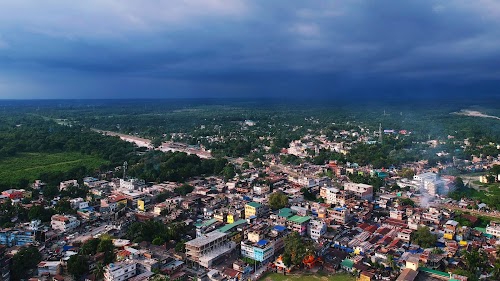
Town Overview – Birpara is a significant town located in the Alipurduar district of West Bengal, India. It serves as a vital commercial and administrative hub within the picturesque Dooars region, known for its lush tea gardens and dense forests.
What is this place?
Commercial Hub – Birpara is essentially a bustling town that acts as a gateway and central point for the surrounding tea estates and rural communities in the western Dooars. I see it as a blend of urban activity and natural beauty, situated amidst the foothills of the Himalayas.
Why people come here
Dooars Exploration – Many visitors come to Birpara primarily as a convenient base for exploring the wider Dooars region. I find that people are drawn to its proximity to renowned wildlife sanctuaries and the serene landscapes of tea gardens. It's a place to experience local life while being close to nature.
What to expect
Natural Surroundings – When you visit, expect a vibrant local atmosphere with markets and daily life, set against a backdrop of rich greenery. The town itself offers basic amenities, while the surrounding areas provide opportunities for experiencing the unique ecosystem of the Dooars. You will often encounter the sights and sounds of a busy sub-Himalayan town.
Best time to go
Cooler Months – I suggest visiting between October and March for the most pleasant weather. During these months, the climate is relatively cool and dry, making it ideal for exploring the natural attractions nearby and enjoying the local environment without the intense heat or heavy monsoon rains.
Practical info
Connectivity – Birpara is well-connected by road, making it accessible from various parts of West Bengal and nearby states. While it has local transport options, I recommend planning for travel to surrounding attractions, which may require hiring local vehicles. Basic facilities such as accommodations, eateries, and medical services are available within the town.
Good to know
Wildlife Proximity – I find it helpful to know that Birpara is strategically located near major wildlife destinations. It serves as a common entry point for those planning to visit the Jaldapara National Park and the Buxa Tiger Reserve , both famous for their diverse flora and fauna, including the Indian one-horned rhinoceros.