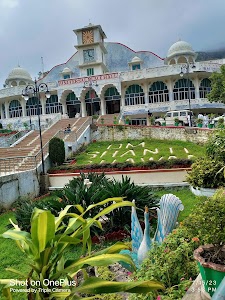
Highest Peak – I see Guru Shikhar as the highest point of the Aravalli Range, standing tall at approximately 1,722 meters (5,650 feet). It offers a commanding view of the surrounding landscape.
Why people come here
Panoramic Views – Many visitors, like explorers, come here primarily for the breathtaking panoramic views of Mount Abu and the expansive Aravalli hills. It's a place to witness vast natural beauty.
Spiritual Journey – Others are drawn to its spiritual aura, seeking blessings at the ancient temple located at its summit. It’s a journey that combines natural wonder with devotion.
What to expect
Serene Atmosphere – You can expect a generally calm and serene atmosphere, especially during early mornings or late afternoons. The air is often crisp, and the natural surroundings provide a peaceful escape.
Physical Climb – Be prepared for a moderate physical ascent. The final stretch involves climbing several steps, leading to the temple and the viewpoint. The effort is often rewarded with stunning vistas.
What to do here
Activities – Here’s what I've observed people typically engage in at Guru Shikhar:
Trekking – Many enjoy the trek up to the summit, which is a popular activity for those looking for a bit of physical challenge amidst nature.
Photography – The expansive views make it an ideal spot for photography, capturing the sunrise, sunset, or the vast landscapes of the Aravalli Range.
Temple Visit – Pay respects at the Dattatreya Temple , dedicated to Lord Dattatreya, a revered deity. There's also a cave temple of Goddess Ahilya nearby.
Spiritual Significance
Divine Abode – Guru Shikhar holds deep spiritual significance as it is home to the Dattatreya Temple, believed to be the abode of Lord Dattatreya. It’s a sacred site for devotees.
Ancient Roots – The temple and its surroundings have ancient roots, adding a layer of historical and religious importance to this natural landmark.
Best time to go
Cooler Months – I find that the cooler months from October to March are generally the best time to visit. The weather is pleasant, making the climb more enjoyable and the views clearer.
Post-Monsoon – The period right after the monsoon, around September to November, also offers lush green landscapes and refreshed views.
Practical info
Effort Level – Reaching the summit requires a moderate climb of around 300 steps after the road ends. It's advisable to wear comfortable shoes.
Accessibility – The site is accessible by road up to a certain point, after which the steps begin. There are usually small shops selling refreshments and religious items at the base of the steps.
Good to know
Sunrise/Sunset – For the most spectacular views, consider planning your visit around sunrise or sunset. The changing light over the Aravallis is truly memorable.
Highest Point – Remember, you're standing at the highest point in Rajasthan, offering a unique perspective of the region.