




Shri Siddhivinayak Temple, Dadar East, Mumbai
What is this place?
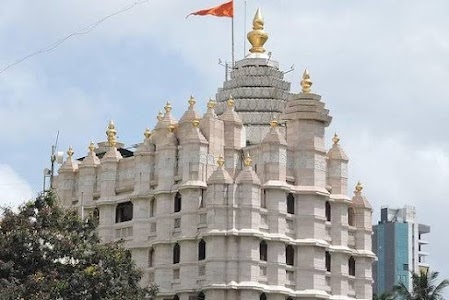
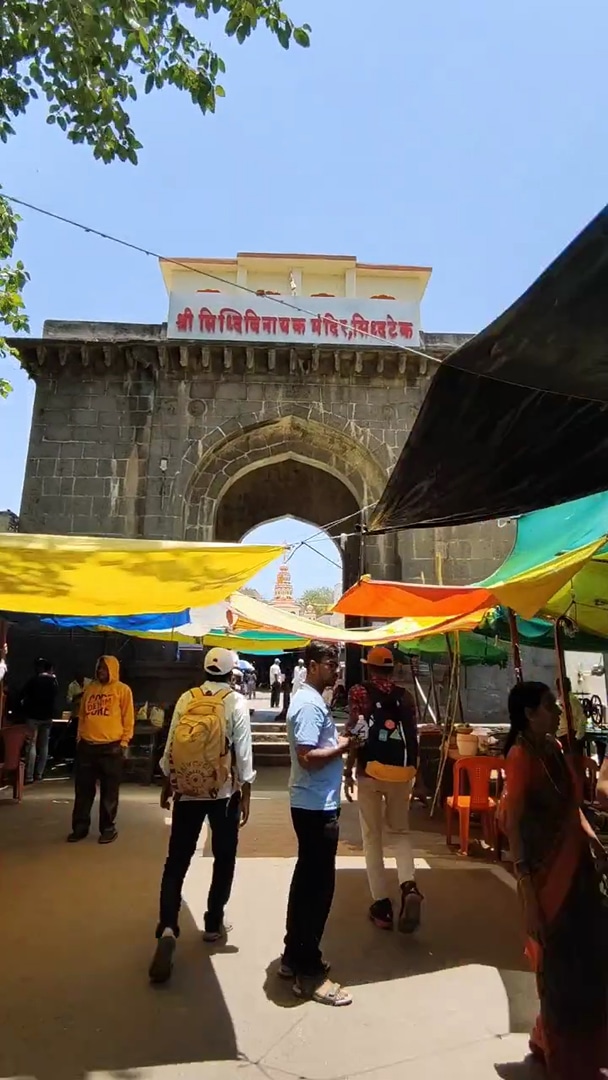
Ancient Temple – This is the revered Shri Siddhivinayak Ganapati Mandir, a Hindu temple dedicated to Lord Shri Ganesha. I see it as one of the wealthiest temples in Mumbai and a significant pilgrimage site.Why people come here
Seek Blessings – People primarily come here to offer prayers and seek blessings from Lord Ganesha, who is widely believed to be a wish-fulfilling deity. Many also visit to experience its spiritual ambiance and cultural importance.What to expect
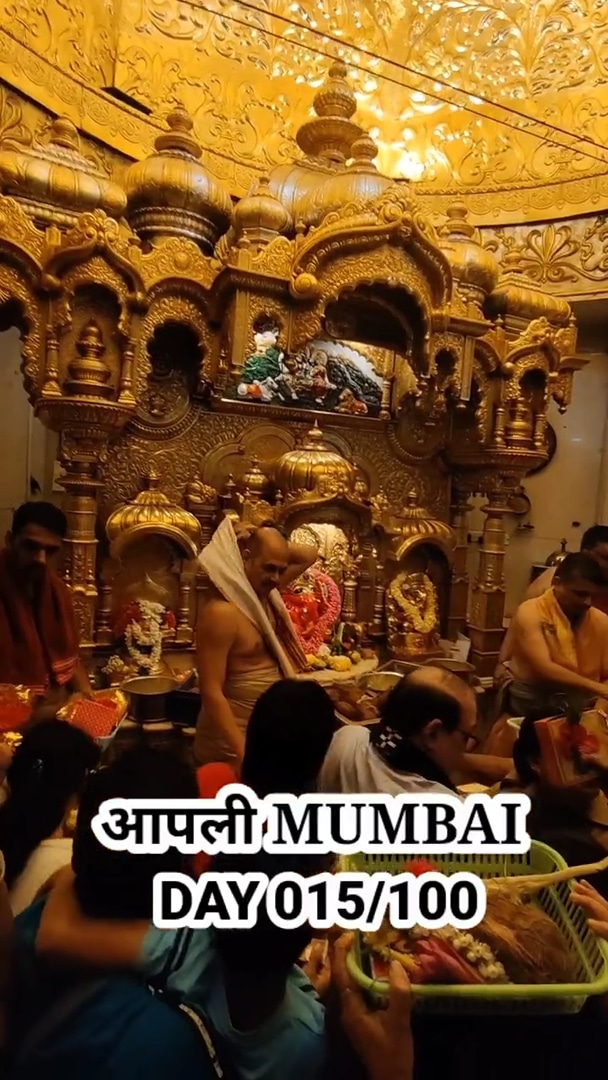
Devotional Crowds – I find that you can expect a vibrant and devotional atmosphere, often accompanied by large crowds, especially on Tuesdays, during festivals, and on weekends. There are usually queues to enter the main sanctum. Security checks are common upon entry.Spiritual or cultural significance
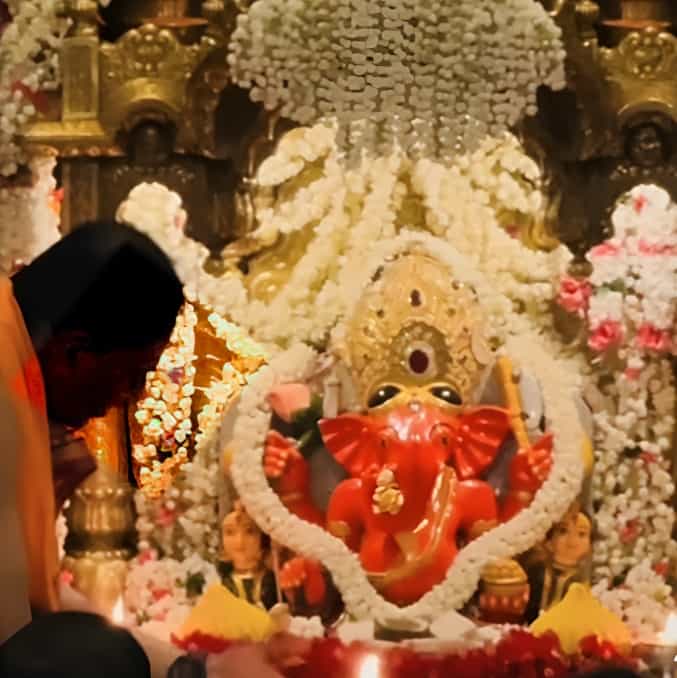
Wish-Fulfilling Deity – The temple holds immense spiritual significance as it houses the idol of Siddhivinayak Ganesha, meaning Ganesha who grants wishes. It is one of the eight Ashtavinayak temples in Maharashtra, though not part of the traditional circuit. The idol is unique with its trunk turned to the right, which is considered a more potent form of Ganesha.Visitor etiquette
Respectful Conduct – I recommend dressing modestly, covering your shoulders and knees, as a sign of respect. Photography is generally restricted inside the main temple area. It's customary to remove your footwear before entering the temple premises, and shoe storage facilities are available. Maintaining silence and reverence, especially within the sanctum, is appreciated.Practical info
Varying Timings – Temple timings can vary, particularly during festivals or special occasions, so it’s advisable to check beforehand. Expect security checks. Facilities like shoe storage, prasad (offerings) counters, and donation boxes are available. The temple is generally accessible, with ramps for ease of access.Good to know
Celebrity Visits – I've observed that the temple is a popular spot for many celebrities, politicians, and prominent personalities who visit to offer their prayers. The current structure was rebuilt in 1993, though its origins date back to 1801.